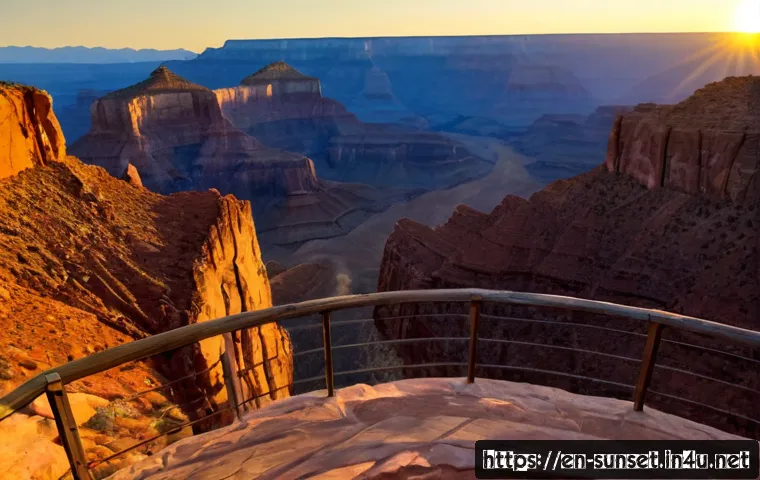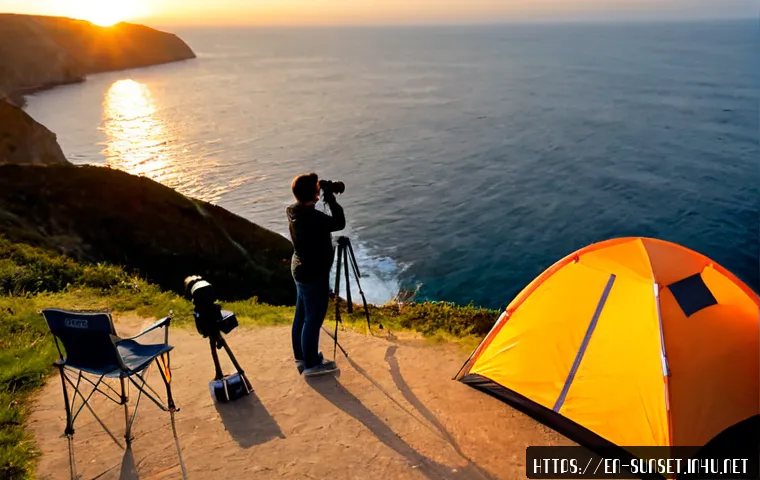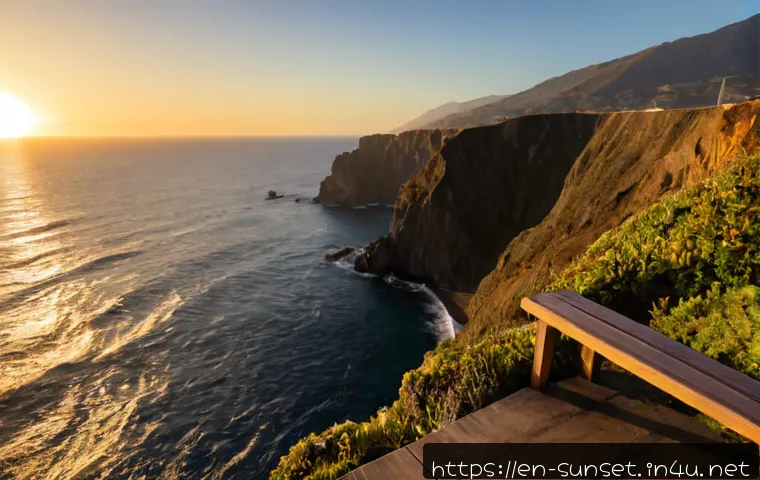
The right Sunset Point sunset time depends on the exact location, date, and local time zone. Confirm the map pin first, then check a date-specific local sunset listing and arrive well before that listed minute.
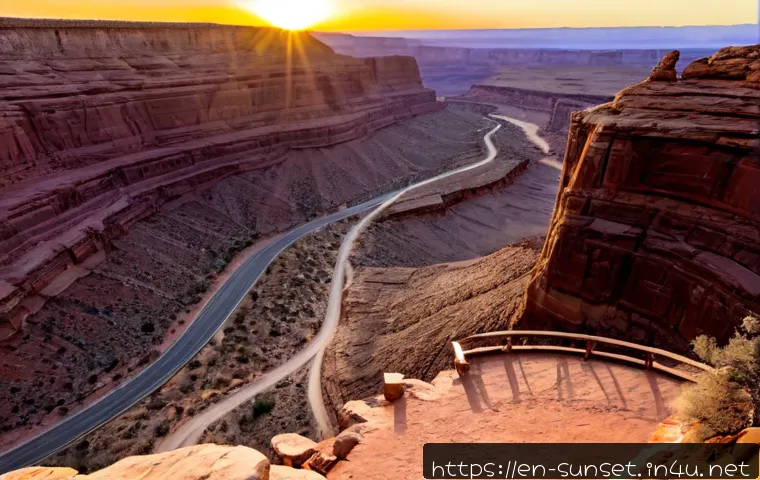
“Sunset Point” is used for many overlooks, beaches, parks, and residential areas, so a time found for one place may be wrong for another. Your transport choice also matters: self-driving offers flexibility, while a shuttle or guided sunset tour may reduce parking and navigation stress.
Plan for changing weather, limited viewpoint parking, and the darker walk or drive back after the show.
At a Glance
- Confirm the exact destination: “Sunset Point” alone is not enough to identify the correct sunset time.
- Check the date-specific local sunset: verify the map pin, local time zone, and your planned visit date.
- Arrive early: allow time for parking, walking, setup, and viewing light before and after sunset.
| Visit Option | Best For | Convenience and Trade-Offs | Costs or Details to Check |
|---|---|---|---|
| Self-driving | Visitors who want maximum timing flexibility | Easy to stay for post-sunset color, but parking may be limited and night driving may be needed. | Entrance rules, parking access, road conditions, permits, and nearby lodging. |
| Shuttle or public transport | Travelers who prefer not to navigate or park | Can reduce parking stress, but return schedules may limit how long you stay. | Service hours, stop location, last return departure, and reservation requirements. |
| Guided sunset tour | First-time visitors and travelers wanting local logistics support | May simplify transport and viewpoint planning, though the itinerary is less flexible. | Meeting point, duration, entry arrangements, cancellation terms, and what equipment is included. |
Find the Correct Sunset Time for Your Specific Destination
Why the place name alone is not enough
Searching for “Sunset Point sunset time” can produce an answer quickly, but it may not be the answer for your destination. Sunset Point is a common name for scenic overlooks, beaches, park viewpoints, and residential locations. Before planning transport, a tour, or a hotel night nearby, match the result to the exact place you intend to visit.
Start with the full destination name, region, and map pin. If the location is inside a park, also check whether the named viewpoint is different from the park entrance, visitor center, or nearby town. Those details help prevent a simple but costly planning error: arriving at the correct time for the wrong place.
Check the date, time zone, and exact map pin
Local sunset changes daily and differs by geographic location. Use your planned visit date, confirm the destination’s local time zone, and compare the sunset listing with the exact map pin. Do this again shortly before departure if your itinerary changes.
It is also sensible to check official visitor information for current access details. Opening hours, road access, parking rules, entrance fees, timed entry, reservations, permits, and tour availability can vary by location and may change.
Plan for golden hour and post-sunset color, not only the listed sunset minute
The published sunset minute is a reference point, not the entire experience. The best viewing light often begins before the sun drops below the horizon and can continue afterward. Clouds, haze, terrain, nearby buildings, and the direction of the view can all affect what you actually see.
Plan an evening rather than a single minute. Arrive while there is enough daylight to choose a safe viewing position, enjoy the changing light, and leave carefully once the area becomes darker.
Arrival Time, Parking, and Tour Options Compared
Self-driving: flexibility versus parking uncertainty
Self-driving is usually the strongest choice when you want to control your arrival and departure. You can wait longer for changing sky color, move to another viewpoint if conditions are poor, or adjust your schedule around dinner and nearby lodging.
The trade-off is parking uncertainty. Popular scenic overlooks may have limited spaces or require extra walking from designated lots. Before choosing a rental car, private vehicle, or overnight stay, confirm where parking is allowed and whether the route remains accessible after sunset.
Shuttle and public transport: when they reduce stress
A shuttle or public transport option can be useful if parking is difficult, roads are unfamiliar, or you would rather avoid driving back in low light. This can be especially appealing for casual visitors, families, and travelers staying in a nearby town.
However, the key question is the return trip. Check the final departure time, the stop location, whether reservations are needed, and what happens if the sunset viewing runs later than expected. A convenient ride in may not be convenient if it leaves before post-sunset color fades.
Guided sunset tours: when the added cost can be worthwhile
A guided sunset tour can make sense when you want help with transportation, timing, meeting points, and general viewpoint logistics. It may also be a practical option when you do not want to manage parking or navigation in an unfamiliar destination.
Compare tours by the details that affect your evening: the departure location, the amount of walking, expected time at the viewpoint, included transport, and return arrangements. Check the official tour page for current availability and conditions before booking.
A Practical Evening Plan From Arrival to Departure
Build in time for entrance gates, walking, and viewpoint selection
Do not set your arrival for the published sunset minute. Build in time for entrance gates, finding the correct lot, walking from designated parking, and selecting a clear and safe place to stand. If the overlook is popular, arriving earlier also gives you more choices without rushing.
Bring a simple plan: map pin saved offline, route reviewed, parking location identified, and a backup viewpoint in mind if the first stop is crowded or obstructed.
Confirm closing times, trail access, and return transportation
Before leaving your accommodation, confirm whether the destination has access restrictions, closing times, trail rules, or transport limits. Do not assume that a viewpoint remains open simply because sunset occurs later in the day.
If you are using a shuttle, public transport, or a tour, make the return plan clear before sunset begins. For self-drivers, review the route out while it is still light and avoid relying only on a weak mobile signal.
Prepare for low light after sunset
Low light changes a familiar place quickly. Carry a flashlight, keep a charged phone and backup battery, and save offline navigation before arriving. Wear footwear suitable for uneven or unpaved surfaces, and bring layers if the temperature feels cooler after daylight fades.
Stay on permitted paths and pay attention to trail conditions. A beautiful sky is not worth an unsafe shortcut back to the vehicle.
Avoid the Most Common Sunset-Viewing Mistakes
Using a sunset time from the wrong location or date

The most preventable mistake is checking a sunset listing that belongs to another Sunset Point, another nearby town, or another date. Use the exact map pin and date every time. This is particularly important when travel plans cover multiple parks, beaches, or overlooks with similar names.
Arriving at sunset instead of before it
Arriving exactly at sunset can mean missing parking, rushing down a path, or viewing from a blocked position. The useful light begins earlier, and the color can continue afterward. Give yourself time to settle in rather than treating sunset as a strict appointment.
Ignoring weather, visibility, footwear, and night-driving conditions
A listed sunset time does not guarantee a visible sun. Weather, haze, clouds, terrain, and nearby buildings can block or soften the view. Check conditions before you go, but keep expectations flexible. Good preparation means suitable footwear, warm layers, a light source, charged batteries, and a safe plan for the trip home.
Tips for Families, Photographers, and Short-Stay Travelers
Families and casual visitors: prioritize access and safe exits
For families and casual visitors, prioritize an easy viewpoint, straightforward parking or transport, and a simple departure route. A spot with a shorter walk may be more enjoyable than a more remote overlook if young children, limited daylight, or a late return is a concern.
Photographers: prioritize foreground, weather, and tripod rules
Photographers should arrive early enough to assess the foreground, horizon, obstructions, and changing weather. Bring charged camera batteries and consider a stable support only where it is permitted and does not block paths or other visitors. Check destination rules before carrying a tripod onto trails or into busy viewpoints.
Overnight visitors: compare nearby lodging against late return travel
If sunset is the centerpiece of your itinerary, nearby lodging can reduce pressure to rush back after dark. Compare accommodation location with the viewpoint, road access, parking, and the next morning’s plans. A stay closer to the destination may be worth considering when late return travel feels inconvenient or uncertain.
Choosing Your Best Sunset Point Visit Option
Choose self-drive when timing flexibility matters most
Choose self-drive if you want to arrive early, remain through post-sunset color, and adjust plans around weather or crowds. It works best when you are comfortable checking parking rules, road access, and the drive back after dark.
Choose a shuttle or tour when parking and navigation are concerns
Choose a shuttle when you want less parking stress and its return schedule fits your evening. Choose a guided sunset tour when transportation, local logistics, and a structured plan matter more than complete independence. For an overnight itinerary, compare nearby lodging options with the practical effort of returning later.
Final booking and pre-departure checklist
Before committing, confirm the exact Sunset Point map pin, local sunset for your date, access rules, parking or transport plan, weather outlook, and return route. If you need transport, a guided experience, nearby accommodation, or outdoor gear, review the official details and conditions on the relevant booking or product page before making a choice.
Selection Criteria and Comparison Summary
Use these final checks to choose confidently: exact destination, date-specific local sunset, arrival and walking time, parking or return transport, weather and visibility, and safe departure after dark. Self-driving favors flexibility; shuttles favor simpler parking; guided tours favor organized logistics; nearby lodging can make a late evening feel less rushed. Check the official information page for current access and booking conditions.
Final Thoughts
The best Sunset Point plan starts with the correct location, not a generic sunset search result. Give yourself more time than the sunset minute suggests, because parking, walking, weather, and changing light all shape the experience. A flexible plan helps you enjoy the view without rushing. Confirm local conditions again before departure.
Useful Things to Know
1. A sunset can be visible before, at, or after the published time depending on terrain and clouds.
2. Popular viewpoints may require walking from designated parking areas.
3. A flashlight, layers, charged batteries, and offline maps are useful for a safer evening exit.
4. Entrance, reservation, permit, and transport requirements depend on the specific destination.
Important Notes
Sunset visibility, parking availability, road access, opening hours, fees, reservations, and tour schedules must be verified for the exact Sunset Point and visit date. Conditions can change because of weather, temporary closures, or destination-specific rules. Do not rely on a sunset time until you have confirmed the correct map location and local time zone.
Frequently Asked Questions
Q1. What time should I arrive at Sunset Point before sunset?
A1. Arrive early enough to park, walk to the viewpoint, and choose a safe viewing spot in daylight. The ideal buffer depends on the destination, parking layout, walking distance, and expected crowds. Plan to enjoy the light before sunset as well as the color that may continue afterward.
Q2. Is a guided sunset tour worth the cost compared with driving yourself?
A2. A guided tour may be worthwhile if it simplifies transportation, parking, navigation, or viewpoint planning. Driving yourself is usually better when you value flexible timing and want to stay as long as conditions allow. Compare the tour itinerary, return arrangements, access details, and your comfort with driving after dark.
Q3. How can I make sure I am checking the sunset time for the correct Sunset Point?
A3. Match the sunset listing to the exact map pin, destination region, planned date, and local time zone. Because many places share the name Sunset Point, avoid relying on a result that does not clearly identify the location you plan to visit.