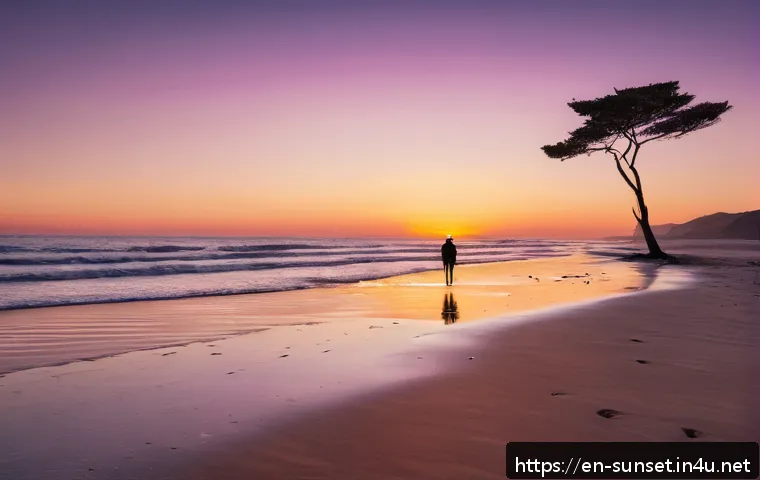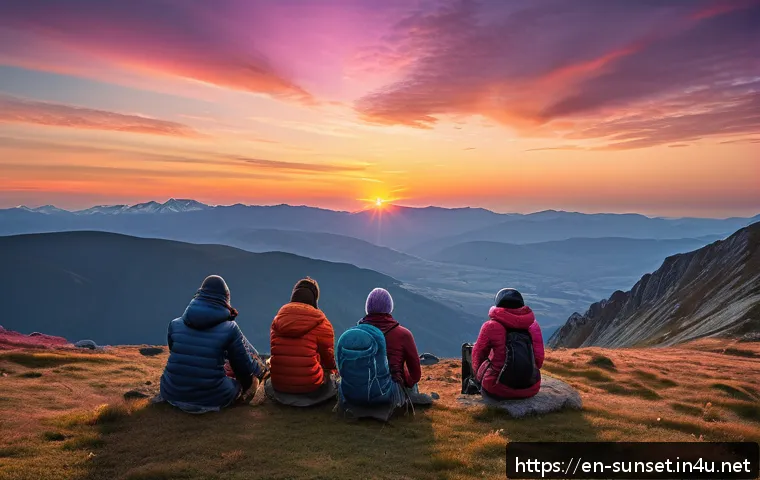
Lately, more travelers are seeking unique outdoor experiences that combine adventure with breathtaking views, and chasing sunsets from mountain summits has become a favorite.
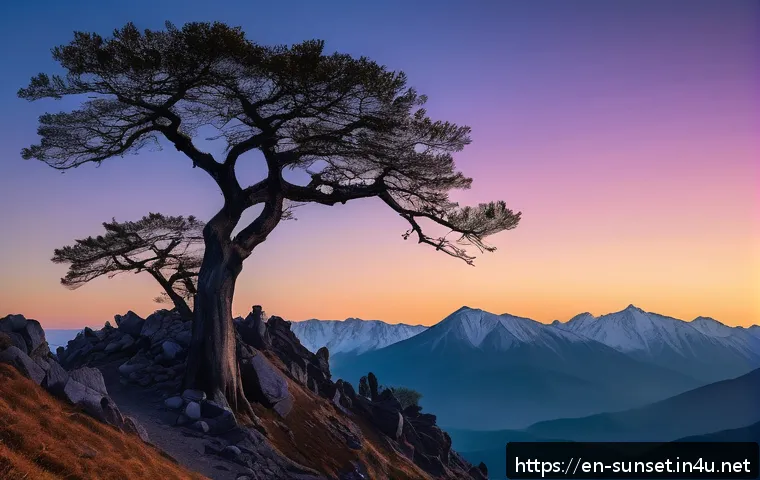
Sunset Point offers exactly that—a chance to witness nature’s most mesmerizing light show from high above the world. If you’ve ever wondered what it’s really like to stand at the summit as the sun dips below the horizon, you’re in the right place.
Let me share what to expect, from the atmosphere to the best timing, so you can make the most of this magical moment. Stick around, because this isn’t just about watching the sun set—it’s about feeling it.
Choosing the Perfect Spot to Catch the Last Light
Finding Your Personal Vantage Point
When you finally reach the summit, the first thing you’ll notice is how many different spots there are to set up camp for the sunset show. Some prefer the rocky outcrop that juts out over the valley, giving an unobstructed view of the fading sun.
Others find a cozy patch of grass near a cluster of pines, where the breeze carries the fresh scent of the forest. Personally, I like scouting a spot that lets me see both the sun dipping behind the distant hills and the changing colors reflecting on nearby cliffs.
It’s all about what feels right to you—whether you want solitude or a shared experience with fellow hikers.
Timing Your Arrival for Maximum Impact
Arriving too early means you’ll have to wait around, which can be chilly and sometimes a bit dull if the sky is just plain blue. Too late, and you’ll miss the fiery burst of colors that make the moment unforgettable.
From experience, getting there about 45 minutes before the official sunset time is ideal. This window lets you watch the sky gradually change hues—from soft pastels to vibrant oranges and deep purples—while still having daylight to explore and settle in.
Don’t forget to check the local sunset time for that specific day; it can shift by several minutes depending on the season.
Setting Up for Comfort and Safety
Being comfortable makes a huge difference in how much you enjoy the experience. Bring a lightweight blanket or a foldable chair if you want to sit back and soak it all in.
A thermos with a warm drink is a game-changer, especially as temperatures drop once the sun slips away. Also, keep your gear organized and make sure your flashlight or headlamp is handy for the descent.
Safety is key when navigating mountain trails in the dark, and it’s better to be prepared than to rush downhill in the fading light.
How the Changing Sky Paints a Story
Colors That Shift Like a Living Canvas
Watching the sunset from a mountain summit is like witnessing nature’s own light show. The sky doesn’t just turn orange—it morphs through layers of color you might never expect.
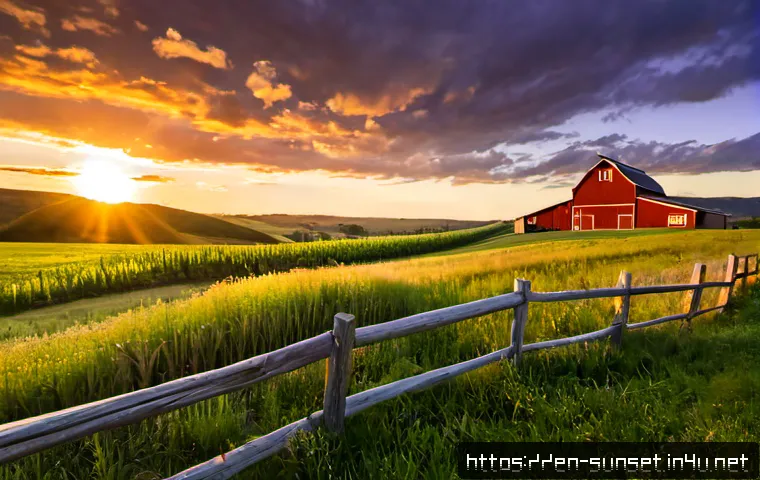
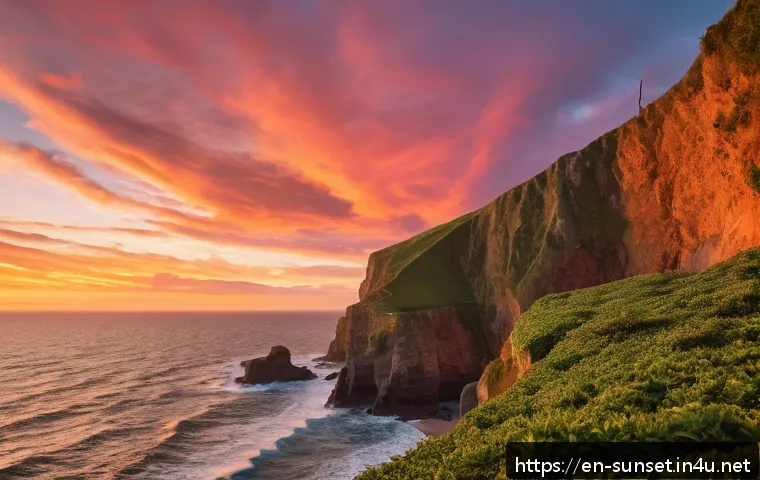
One moment you’ll see a warm golden glow spreading across the horizon, and the next, streaks of pink and violet appear, dancing with the last blue of the day.
Sometimes, wispy clouds catch the sun’s rays and glow like embers, creating a surreal spectacle. It’s not just pretty—it’s a reminder of how dynamic and alive the sky really is.
The Play of Shadows and Silhouettes
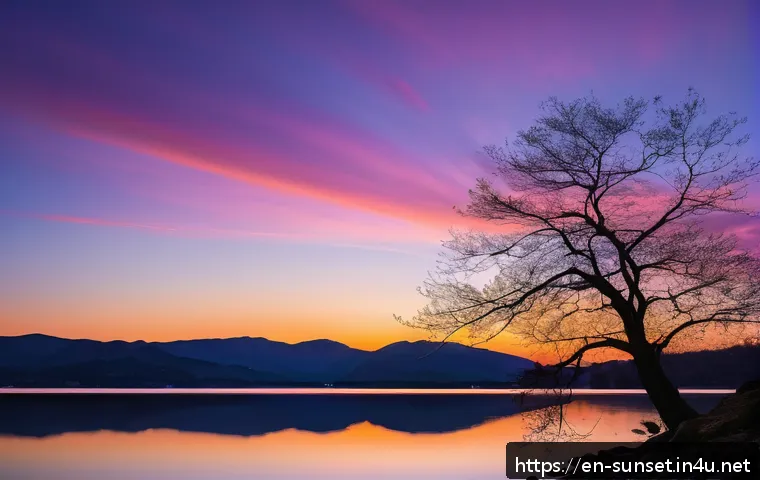
As the sun sinks lower, the landscape transforms dramatically. Trees, rocks, and ridges become bold silhouettes against the glowing sky, creating a striking contrast that feels almost otherworldly.
You might catch the long shadows stretching across the summit, making the terrain look more dramatic and textured. For photographers or anyone who loves to capture moments, this is the perfect time to snap pictures that tell a story—where light and dark dance together in perfect harmony.
Feeling the Atmosphere Shift
It’s not just about what you see, but what you feel. The air cools gently, and there’s a quiet hush as animals settle down and the wind softens. There’s a peacefulness that wraps around you, a kind of shared secret between everyone watching the sun go down.
From personal experience, it’s a moment that makes you pause and breathe deeply, feeling connected not just to the mountain but to the vast world beyond.
Essential Gear for a Seamless Sunset Experience
Clothing That Adapts to Rapid Temperature Changes
Mountain weather can be unpredictable, and the drop in temperature after sunset can catch you off guard if you’re not prepared. Wearing layers is crucial—start with moisture-wicking base layers, add a warm fleece or insulated jacket, and top it off with a windbreaker if necessary.
Don’t forget a hat and gloves; sometimes, the chill sneaks up faster than you’d expect. I’ve learned the hard way that packing a light scarf or buff can save the evening when the wind picks up.
Tools to Enhance Visibility and Comfort
A good headlamp or flashlight with fresh batteries is a must-have for the hike back down after dark. Some summits don’t have clear trails, so being able to see where you step is essential for safety.
Also, consider trekking poles if the terrain is steep or uneven. They help with balance and reduce strain on your knees, which is especially welcome after a long hike.
Having a compact first aid kit is also wise—you never know when a minor scrape or blister might need immediate care.
Capturing the Moment Without Missing It
Many travelers want to take photos but don’t want to miss the magic by fiddling with camera settings. My tip? Use your phone’s camera in manual or pro mode to adjust exposure and focus before the sun starts to dip.
A small tripod or stabilizer can keep your shots crisp, especially as the light dims. But don’t get so caught up in photography that you forget to look up and simply enjoy the moment—it’s the feeling that lasts longest, not just the picture.
Best Seasons and Weather Conditions for Spectacular Sunsets
Seasonal Variations and Their Impact on the View
Different seasons bring different moods to the summit sunset experience. Autumn often delivers the most dramatic skies, with crisp air and colorful foliage below adding depth to the view.
Winter sunsets can be breathtaking too, especially when snow blankets the landscape, reflecting soft pink and blue hues. Spring and summer offer longer days and warmer temperatures, but sometimes the skies can be hazy or cloud-covered.
From my hikes, fall sunsets have the best mix of clarity, color, and coolness that makes the entire experience feel magical.
Reading the Weather for Clear Skies
Clear skies usually mean the most vivid sunsets, but a few scattered clouds can actually enhance the spectacle by catching and reflecting the sun’s rays.
Completely overcast days, on the other hand, tend to mute colors and make the sunset less dramatic. Checking the weather forecast in advance helps plan your trip, but keep in mind that mountain weather can change quickly.
It’s worth being flexible and ready to seize the moment when the sky clears unexpectedly.
How Altitude Affects Sunset Visibility
The higher you climb, the thinner the air and the less pollution, which often results in sharper, more vibrant sunsets. At altitude, the sun seems larger and the colors more intense, giving you a front-row seat to one of nature’s finest performances.
However, higher elevations also mean cooler temperatures and stronger winds, so packing accordingly is a must. The payoff is absolutely worth it—there’s a sense of accomplishment and awe that only a mountain summit sunset can deliver.
Social Vibes: Sharing the Sunset Experience with Fellow Adventurers
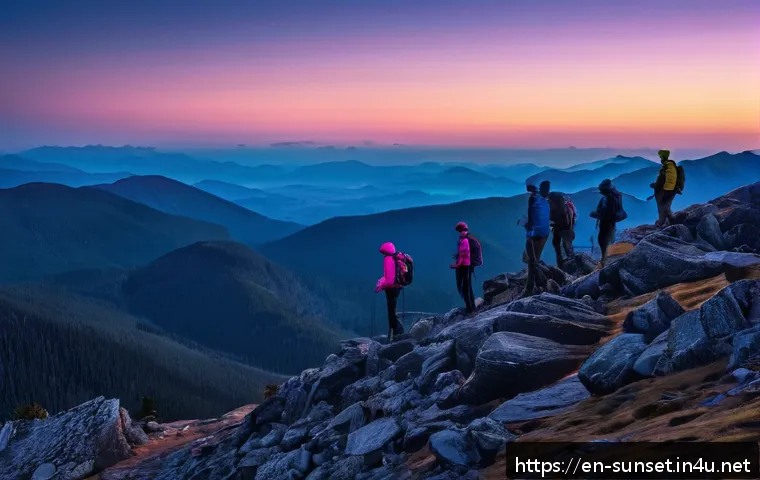
The Unspoken Bond Among Sunset Watchers
One of the most memorable parts of watching a sunset at a popular summit is the community vibe. Even strangers exchange smiles and quiet nods, united by the shared anticipation and wonder of the moment.
It’s a unique kind of camaraderie that feels genuine and uplifting. I’ve often struck up conversations with hikers from all over the world, swapping stories while waiting for the sun to set.
These connections add an unexpected layer of richness to the experience.
Balancing Solitude and Social Energy
If you’re someone who craves peace and reflection, finding a quiet corner away from the crowd is ideal. But if you thrive on energy and shared excitement, sitting near others can amplify the magic.
Many summit spots have a natural rhythm—early arrivals find their solitude, while others trickle in closer to sunset, creating a lively, almost festive atmosphere.
Knowing what you want from the experience helps you choose your spot and mindset accordingly.
Respecting Nature and Fellow Hikers
With more people drawn to sunset points, it’s important to leave no trace and keep the environment pristine. Pack out all trash, avoid loud noises, and be mindful of the fragile alpine ecosystem.
Also, consider others who want to enjoy the view—avoid blocking sightlines or shining bright lights around. From personal experience, a little respect and care goes a long way in preserving the beauty and serenity of these places for everyone.
Planning Your Trip: Timing, Transportation, and Local Tips
Choosing the Right Day and Time
Sunset times shift gradually throughout the year, and weekdays tend to be less crowded than weekends. If you’re aiming for a peaceful experience, midweek visits can make a big difference.
Also, consider the time it takes to hike up, so you’re not rushing or stuck waiting in the dark. Early afternoon starts work well for most people, giving you plenty of daylight to reach the summit and prepare.
Getting There: Access and Parking
Many popular sunset summits have designated parking areas near trailheads, but these spots can fill quickly during peak season. Arriving early not only guarantees a parking space but also lets you enjoy the trail at a relaxed pace.
If public transportation or shuttles are available, they’re a great way to avoid parking hassles and reduce your environmental impact. Double-check local transit options and trail conditions before you go.
Local Amenities and Emergency Contacts
Some trailheads have restrooms, water stations, or small cafes nearby, but don’t count on it—especially at more remote locations. Bringing your own water and snacks is essential.
It’s also smart to have emergency contacts saved on your phone and let someone know your plans before heading out. Cell service can be spotty on mountain tops, so a personal locator beacon or GPS device adds an extra layer of safety.
| Aspect | Recommended Items or Tips | Reason |
|---|---|---|
| Clothing | Layered clothing, insulated jacket, hat, gloves | Adjust to changing temperatures and wind at altitude |
| Gear | Headlamp, trekking poles, first aid kit, camera/tripod | Ensure safety on descent, comfort, and capturing memories |
| Timing | Arrive 45 minutes before sunset, check local sunset time | Maximize viewing window and enjoy gradual sky changes |
| Food & Drink | Thermos with warm beverage, light snacks | Stay warm and energized during cooler evening hours |
| Safety | Emergency contacts, GPS device, inform someone of plans | Prepare for limited cell coverage and unforeseen situations |
Post-Sunset Magic: What Happens When the Light Fades
The Twilight Glow and Star Emergence
After the sun dips below the horizon, the sky doesn’t just go dark instantly—it goes through a twilight phase that’s just as captivating. The horizon glows faintly, often with a cool blue or soft pink hue, while stars begin to twinkle into view one by one.
If you’re lucky, you might even catch planets like Venus shining brightly. This gradual shift gives you a chance to appreciate the vastness of the night sky and reflect on the day’s adventure.
The Calm Descent Back to Base
Descending after sunset is a different experience—quieter, slower, and more introspective. The mountain feels transformed, and the trail under your feet seems less familiar.
Using a headlamp or flashlight, you navigate carefully, often accompanied by the sounds of nocturnal wildlife. From my experience, taking your time on the way down not only ensures safety but extends the magic of the day into the night.
Reflecting on the Experience
Standing at the summit during sunset is more than just a visual treat—it’s a moment that stays with you. The feelings of awe, peace, and connection don’t end when the light fades.
Many hikers find themselves replaying the colors and emotions in their mind, often inspired to seek out more outdoor adventures. It’s a reminder that sometimes the best experiences are those that touch all your senses and leave a lasting impression.
In Closing
Watching the sunset from a mountain summit offers more than just stunning views—it’s a chance to connect deeply with nature and yourself. Each moment of color, shadow, and quiet breath creates a memory that lingers long after the sun has set. Whether you seek solitude or shared joy, the experience is always worth the effort and preparation.
Helpful Information to Remember
1. Arrive about 45 minutes before sunset to fully enjoy the changing colors and atmosphere.
2. Dress in layers and bring warm accessories to stay comfortable as temperatures drop.
3. Use a reliable headlamp or flashlight for a safe descent in the dark.
4. Check weather forecasts and local sunset times to pick the best day and spot.
5. Respect nature and fellow hikers by leaving no trace and maintaining quiet during your visit.
Key Takeaways for a Successful Sunset Hike
Choosing the right location and timing is essential to maximize the beauty of the sunset. Preparing appropriate clothing and gear helps ensure comfort and safety throughout the experience. Embracing both the visual spectacle and the peaceful atmosphere enriches your connection to the outdoors. Lastly, practicing respect for the environment and others preserves this magical moment for everyone to enjoy.
Frequently Asked Questions (FAQ) 📖
Q: What is the best time to arrive at Sunset Point to catch the perfect sunset?
A: To fully experience the magic of the sunset at Sunset Point, I recommend arriving at least 30 to 45 minutes before the official sunset time. This gives you a chance to settle in, find a comfortable spot, and watch the sky gradually transform with beautiful hues.
From personal experience, the moments just before and right after the sun dips below the horizon are absolutely breathtaking, so being early really helps you soak it all in without rushing.
Q: How difficult is the hike to the summit, and what should I bring?
A: The hike to Sunset Point varies depending on the trail, but generally, it’s moderate in difficulty. I’ve found that wearing sturdy hiking shoes and bringing layered clothing is essential because temperatures can drop quickly as the sun sets.
Also, don’t forget water, a flashlight or headlamp for the return trip, and maybe a light snack. The effort is totally worth it once you see those panoramic views at the top—it feels like you’re on top of the world.
Q: Can I expect crowds at Sunset Point during sunset hours?
A: Sunset Point is quite popular, especially on weekends and during good weather, so yes, it can get crowded. However, if you’re like me and prefer a quieter experience, going on a weekday or during the shoulder seasons often means fewer people.
Arriving early also helps you secure a great spot and enjoy the moment without feeling rushed or crowded. Either way, sharing that stunning view with others who appreciate nature’s beauty can be a rewarding experience in itself.