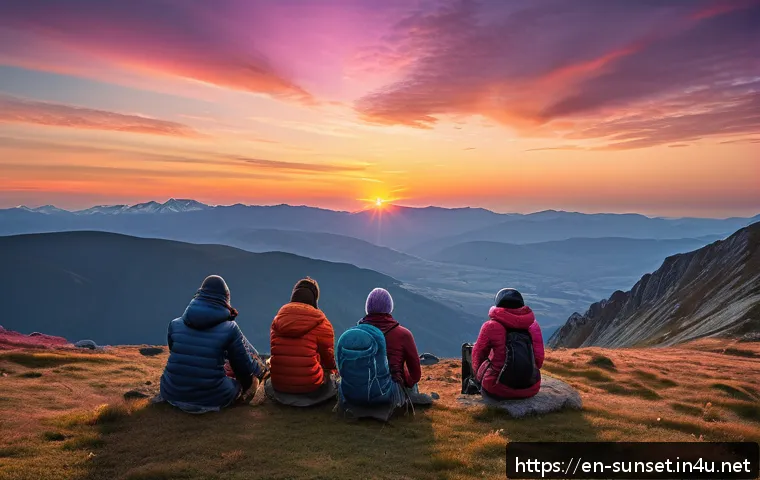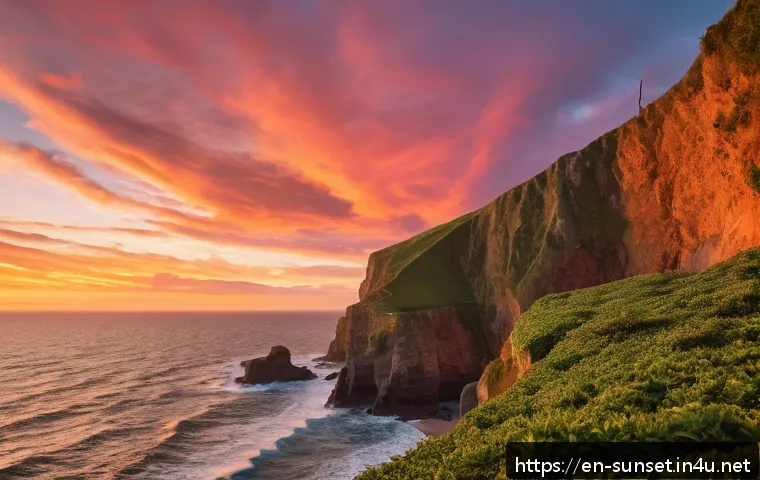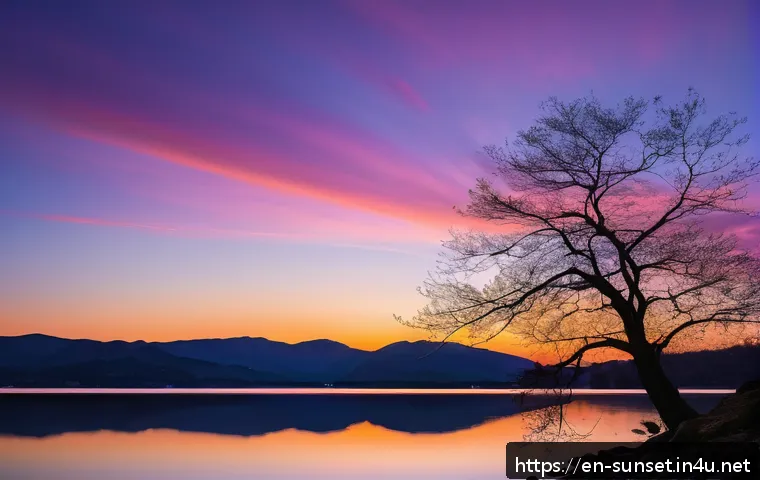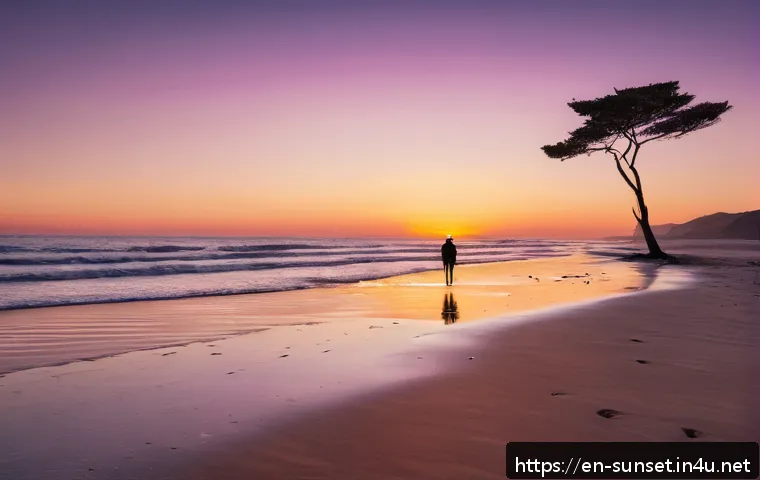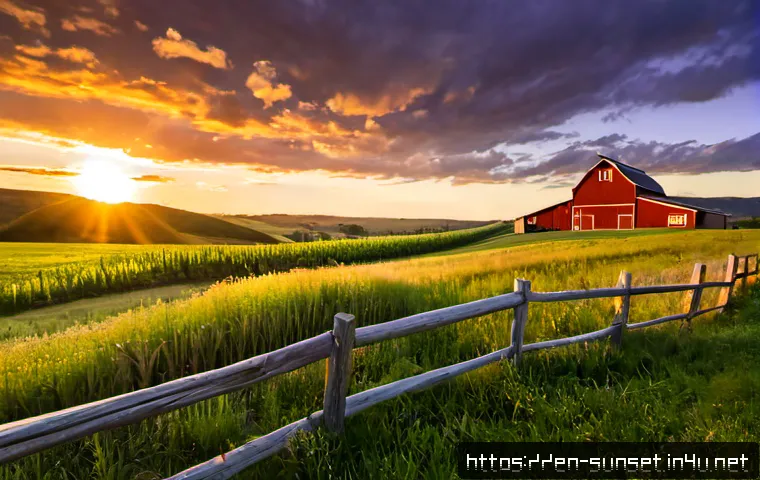
A rural Sunset Point can be worth the trip if you arrive before golden hour, confirm access conditions, and know how you will leave after dark. A nearby stay becomes more appealing when the return journey is long, local transport is limited, or you want to enjoy the afterglow without rushing.
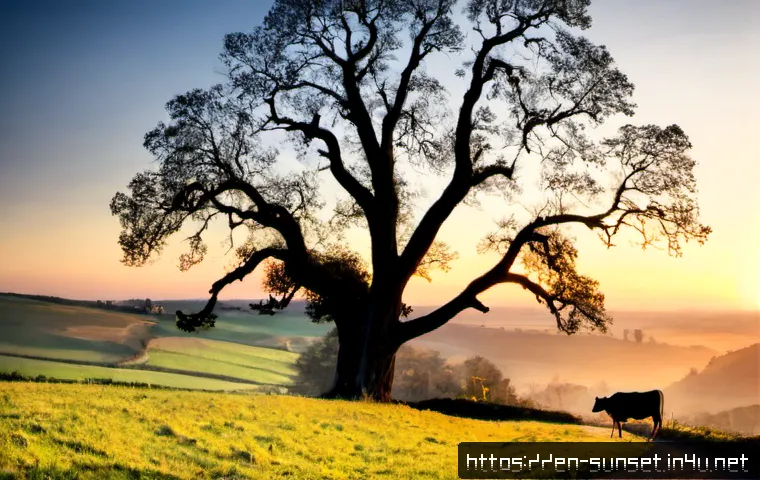
Because “Sunset Point” may refer to different locations, the name alone does not confirm the quality of the horizon, parking, or facilities. Check the weather, local rules, trail surface, and closing times before committing to a drive, tour, or countryside accommodation.
For photographers, couples, and relaxed travelers, the best option is usually the one that balances view quality with safe, simple logistics. A clear return plan matters as much as the sunset itself.
At a Glance
- Arrive before golden hour so you can find the viewpoint, assess the horizon, and settle in without rushing.
- Check access rules, road conditions, weather, parking, and closing times because rural facilities can be limited.
- Consider an overnight stay when a late drive, weak mobile coverage, or limited transport could make the return uncomfortable.
| Option | Best For | What to Check Before Choosing |
|---|---|---|
| Self-drive | Flexible timing and carrying camera gear | Final road access, parking, walking distance, lighting, and a safe return route |
| Local transport | Travelers avoiding a car | Last departure timing, distance from the stop, and whether service runs after sunset |
| Guided sunset outing | Visitors who want local navigation or simpler planning | Meeting point, included transport, cancellation terms, walking level, and return arrangements |
| Rural guesthouse or cabin | Couples, photographers, and travelers staying after dark | Distance to the viewpoint, meal options, check-in rules, road access, and overnight cancellation policy |
Is a Rural Sunset Point Worth the Trip?
The short answer: arrive early, verify access, and plan your return before dark
Yes, a countryside sunset visit can be memorable, but it needs more planning than an urban viewpoint. Sunset visibility is never guaranteed: clouds, haze, terrain, and the direction of the open horizon all affect what you see. Treat the sunset as part of a wider outdoor trip rather than a fixed performance. Before leaving, verify whether the site is open, whether the final approach requires walking, and how you will get back once daylight fades.
What makes a countryside sunset different from an urban viewpoint
Rural locations can offer a quieter horizon, fewer buildings, and more space to watch changing light. They can also have narrow roads, unlit paths, uneven ground, and limited food or restroom services. A broad field, ridge, lakeside, or open valley may look promising, but the most useful question is whether the western horizon is actually visible from where you can legally and safely stand. A famous name is less important than a clear, accessible view.
When clouds, haze, and terrain improve—or block—the view
Golden hour happens before sunset, and the afterglow may continue after the sun has dropped below the horizon. Clouds can add color and texture, while thick cloud cover or haze can hide the sun entirely. Hills, trees, and distant ridges may create a dramatic layered scene, but they can also block the lower sky. Check the forecast close to departure, then keep expectations flexible rather than booking solely for a guaranteed-looking sunset.
Compare Access, Timing, and Overnight Costs Before You Go
Self-drive versus local transport versus a guided sunset outing
Self-driving gives you the most control over arrival time and makes it easier to bring a tripod, jacket, water, and camera bag. The trade-off is navigating unfamiliar rural roads after dark. Local transport can reduce driving stress, but its final service may not match the end of the afterglow. A guided sunset tour may be useful if you want local route knowledge or a structured return plan, especially where parking and access are unclear.
When a rural guesthouse or cabin can be better value than a late return trip
A countryside stay is not only about romance or scenery. It can be a practical choice if the viewpoint is far from your base, roads are unfamiliar, or you would otherwise leave immediately after sunset. An overnight option also lets you enjoy a relaxed dinner, organize photos, and leave in daylight. Compare the full trip rather than the room alone: consider transport, late return fatigue, included meals, distance to the viewpoint, and the flexibility of the booking terms.
Comparison checklist: parking, walking distance, cancellation terms, and included meals
Before selecting a tour, lodge, or transport option, check the essentials in writing. Look for parking availability, the walking distance from the vehicle or drop-off point, trail condition, and whether a flashlight is needed. For accommodation packages, confirm meal arrangements and check-in timing. For guided experiences, review the meeting location, what is included, and the cancellation terms. Official visitor information and booking pages are the best places to compare these details.
Plan the Best Viewing Window and Photography Setup
How early to arrive for golden hour and a good viewing position
Plan to arrive before golden hour rather than at the published sunset time. This gives you time to find the correct viewing area, inspect the ground, and decide whether the horizon is open enough. It also avoids the stress of reaching a rural parking area just as light begins to change. If the location is busy or has limited space, arriving early can make a bigger difference than carrying extra equipment.
Simple camera and phone settings for changing sunset light
Sunset light changes quickly, so keep your setup simple. For a phone, tap the brightest part of the sky and adjust exposure carefully if the screen makes the scene look washed out. For a camera, review images as the light changes and avoid assuming one setting will work throughout the evening. A stable hold or tripod can help in low light, especially during the afterglow. Protect highlights in the sky, then take a few variations instead of relying on one frame.
What to pack for wind, uneven ground, insects, and low light
Bring footwear suitable for uneven surfaces, a layer for wind, water, and a small light for the return. Insects may be present depending on the setting and season, so prepare accordingly. Keep your phone charged, but do not depend on mobile coverage in a remote area. If you carry photography equipment, use a bag that leaves your hands free for walking safely.
Avoid Common Countryside Sunset Mistakes
Relying on map pins without checking the final access road
A map pin may identify a general area rather than the actual viewing entrance. The final road could be private, unsuitable for certain vehicles, or farther from the viewpoint than expected. Check local access guidance and recent official notices where available. Never assume that a route shown on a map is an approved place to park or walk.
Staying past dark without a safe exit plan
The afterglow can be beautiful, but leaving after dark requires more care. Know where your vehicle, transport stop, or meeting point is before sunset begins. Avoid taking unfamiliar shortcuts across fields or trails. Your exit plan should be decided while there is still daylight.
Ignoring weather changes, private land boundaries, and local rules
Weather can shift quickly in open countryside, and a pleasant daytime route can feel very different in wind or darkness. Respect signs, private land boundaries, closing hours, and any access restrictions. Do not cross fences or enter unmarked land simply to improve a photo angle. A slightly less dramatic view is always preferable to an unsafe or unauthorized one.
Choose the Right Experience for Your Travel Style
Quiet solo photography and landscape-focused visits
Choose a viewpoint with a wide horizon, enough time to arrive early, and a simple walk from parking or lodging. Prioritize space, stable ground, and a return route you can manage in low light. A nearby rural stay may be useful if you want to wait through afterglow without watching the clock.
Couples seeking a scenic dinner or overnight escape
For a relaxed evening, look beyond the viewpoint itself. A countryside accommodation package may be more suitable if it offers convenient access, clear dining arrangements, and a comfortable return after sunset. Compare the location of the stay with the viewing area rather than assuming every rural property has a direct sunset view.
Families and groups needing easy access and reliable facilities
Families and groups should favor an accessible location over a remote photography spot. Look for clear parking, short walking distances, predictable return transport, and nearby facilities where available. A guided outing can simplify logistics when coordinating several people, but confirm the walking level and exact return arrangements before booking.
Selection Criteria and Comparison Summary
Choose a rural Sunset Point by checking these decisions before you go: Is the horizon open in the sunset direction? Is access legal and practical near dusk? Can you park or reach the site without a difficult final walk? Do you have a safe return plan after dark? Would a guided sunset tour add useful local guidance? Would a nearby guesthouse reduce unnecessary late-night travel? Compare access, cancellation terms, included services, and return-trip safety on the relevant official or booking page before making a reservation.
Choose a viewpoint for the horizon, not only the name
“Sunset Point” is a common place name, so it does not automatically describe the view. Confirm the surrounding terrain, likely viewing direction, and actual access point for the specific location you intend to visit.
Choose paid services for convenience, safety, or local guidance—not just the view
A paid tour or accommodation can make sense when it solves a real travel problem: uncertain roads, limited transport, a late return, or the desire for a slower evening. If you can reach the site safely on your own and leave comfortably, self-drive may be the simpler choice.
Final booking and departure checklist
Check the weather and sunset time; confirm local rules and closing times; review the final road and parking situation; pack footwear and a light; charge your phone; confirm transport or lodging terms; and tell your travel companion when you plan to leave. These small checks can protect the calm, unhurried feel that makes a rural sunset visit worthwhile.
Closing Thoughts
A rural sunset is best enjoyed with flexible expectations and practical preparation. The strongest plan is not necessarily the most expensive one; it is the one that gives you enough time, a legal viewing area, and a comfortable way home. Watch the changing sky, stay aware of the ground and weather, and leave before the journey becomes stressful. If an overnight stay or guided option improves those basics, it may be worth considering.
Useful Things to Know
Golden hour occurs before sunset, while afterglow can continue after the sun is no longer visible. Rural sites may have limited lighting, food service, parking, public transport, and mobile signal. Check conditions close to your travel date, because access and weather can change.
Important Notes
The exact location, route, elevation, operating hours, facilities, safety conditions, prices, and booking requirements for a specific Sunset Point must be confirmed locally. Sunset quality cannot be guaranteed for any date. Always follow local rules, weather guidance, and private-property boundaries.
Frequently Asked Questions
Q1. What is the best time to arrive at a rural Sunset Point?
A1. Arrive before golden hour so you have time to confirm the view, find a safe position, and understand your route back before it gets dark.
Q2. Is it worth booking a nearby countryside stay for a sunset visit?
A2. It can be worth it when the return trip is long, local transport is limited, roads are unfamiliar, or you want to stay through the afterglow without rushing. Confirm the property’s location, access, and booking conditions first.
Q3. Should I choose a guided sunset tour or drive myself?
A3. Drive yourself if you want flexible timing and can manage the route and return safely. Choose a guided outing when local navigation, transport coordination, or a structured evening plan would make the visit easier.