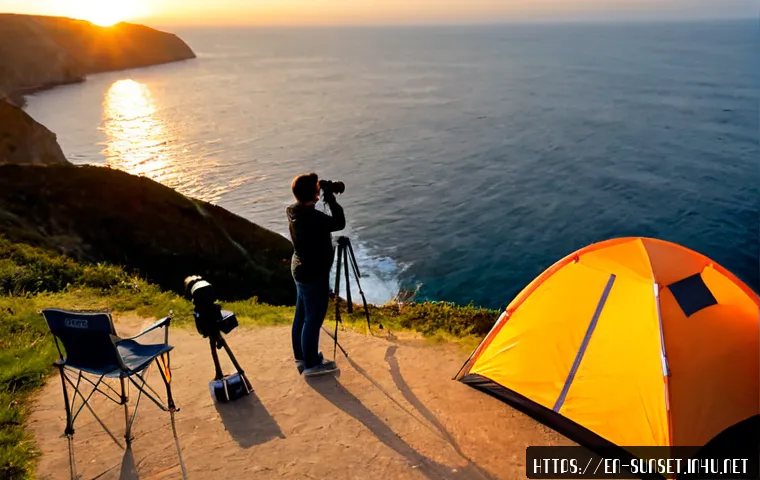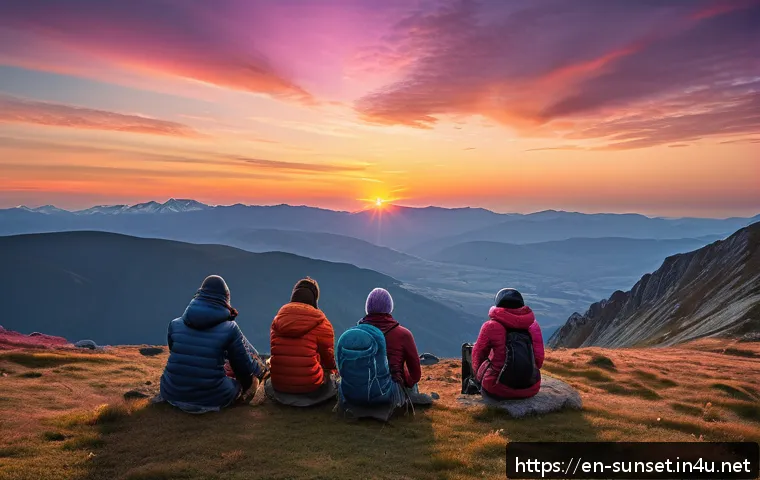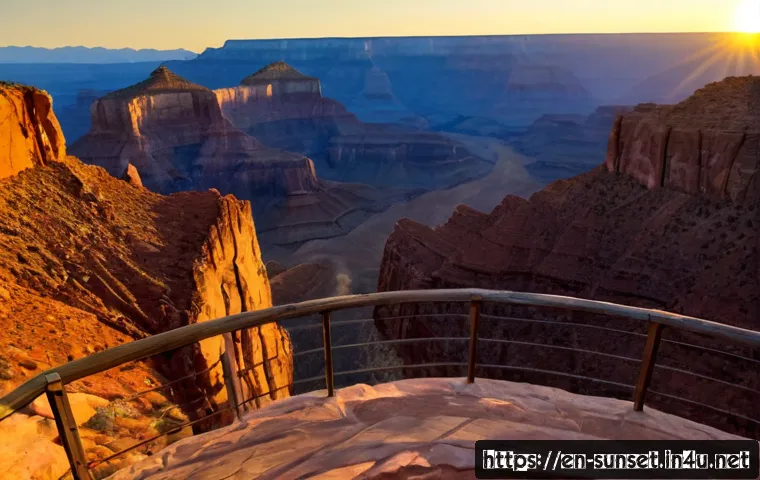
Sunset Point is a common name, so the first step is to confirm the exact country, park, town, and official access point before you book anything. Once the location is verified, compare transport, lodging, trail conditions, and guided-tour options based on your comfort level and return plan after sunset.
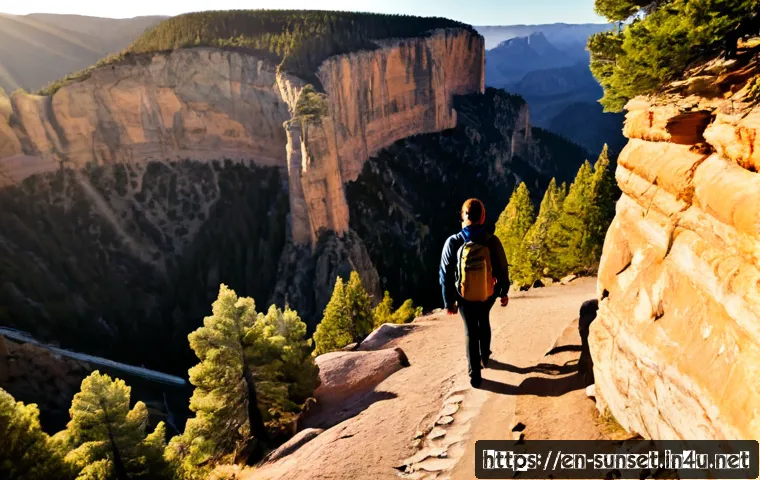
This type of mountain trip can work well for scenic walks, photography, and a short outdoor escape, but conditions can change quickly near sunset. A rental vehicle may offer flexibility, while a shuttle or guided tour can reduce navigation pressure in an unfamiliar area.
Nearby accommodation can also make an early arrival and a safer return much easier. Check official access rules, weather, road conditions, and reservation requirements close to your travel date.
At a Glance
- Verify the exact Sunset Point by checking the country, park, nearest town, and official map listing.
- Compare transport choices before booking, especially if roads, parking, or trail access may be limited.
- Reserve nearby lodging early for busy dates if you want more time for weather changes and a daylight return.
| Trip Setup | Best Use Case | Main Cost Factors | Key Check Before Booking |
|---|---|---|---|
| Self-drive | Travelers using a familiar vehicle and clear road access | Fuel, parking, possible permits, vehicle wear | Road condition, parking rules, return route after dark |
| Rental vehicle | Visitors who need flexibility between lodging and trailhead | Rental rate, fuel, insurance options, parking | Vehicle suitability, pickup hours, mountain-road restrictions |
| Shuttle service | Travelers who prefer not to drive or park | Ticket, transfer connections, luggage arrangements | Last departure time and stop location |
| Guided tour | First-time mountain visitors or uncertain trail conditions | Tour inclusion, transport, guide service, optional gear | Route difficulty, group size, cancellation terms, return timing |
Confirm Which Sunset Point You Are Planning to Visit
Do not book transport based on the name alone. “Sunset Point” may refer to different viewpoints, trails, mountain areas, or tourist destinations in multiple regions. Start with the exact country, park or protected area, nearest town, and an official map listing. Match those details against the location shown by your accommodation, car rental pickup point, shuttle stop, or tour operator.
Check the country, park, nearest town, and official map listing
Look for a full destination description rather than relying on a map pin with a familiar name. Confirm whether the viewpoint is inside a park, on a public road, near a lodge, or reached from a specific trailhead. This simple check can prevent an incorrect hotel reservation or a long transfer to the wrong mountain area.
Verify the trailhead, viewpoint elevation, and seasonal access rules
Trail distance is only one part of the decision. Confirm the official trailhead, expected route type, elevation information if listed, and any seasonal access rules. Some locations may have restricted roads, protected-area requirements, parking reservations, or activity rules that affect your plan.
Avoid booking transport before confirming the exact destination
A low-cost flight, rental car, or mountain transfer is not a good value if it leads to the wrong access point. Before committing, compare the destination name on your booking with the official visitor information and the route from your planned lodging. Exact location first, transport second.
Quick Planning Summary for a Safe Mountain Viewpoint Trip
A Sunset Point mountain trip is usually best for travelers who want a scenic stop, photography session, or manageable outdoor outing. The safer plan is to arrive early, understand the return route while it is still light, and leave enough margin for slower walking, traffic, or changing weather.
Best for travelers who want scenic walks, photography, and short outdoor escapes
Choose a viewpoint with access that matches your available time and hiking confidence. A roadside overlook or short marked walk may suit a brief visit. A longer route may require more planning, more gear, and a clear understanding of how you will return.
Plan for an earlier arrival and a safe return before darkness
Sunset is not the end of the trip. Reduced visibility, colder temperatures, and changing road conditions can affect the walk or drive back. Arriving early gives you time to find parking, inspect the route, choose a safe viewing area, and decide whether conditions still support your plan.
Confirm weather, road conditions, and reservation requirements
Check current official information close to departure. Weather, road closures, mobile coverage, opening hours, and local restrictions can vary by location and season. Nearby lodging, parking, guided activities, and protected areas may also require reservations.
Compare Transport, Tours, and Trip Costs
The best-value option is not always the lowest initial price. Compare the full trip setup: access, timing, comfort, cancellation flexibility, and what happens if weather or road conditions change.
Self-drive versus rental car versus shuttle service
Self-driving can be practical when the roads, parking, and route are clearly understood. A rental vehicle can add flexibility when your lodging is outside town or when shuttle schedules are limited. A shuttle may reduce driving stress, but its final departure time must work with your sunset plan. Always verify whether the last service leaves before you expect to return.
When a guided hike or local tour is worth the added cost
A guided mountain tour can be useful when terrain, weather, permits, or local navigation are uncertain. It may also suit travelers who do not want to manage trail timing alone. Compare what is included: transport, route guidance, equipment expectations, group pace, and the policy for weather-related changes.
Budget categories: transport, lodging, permits, meals, equipment, and insurance
Build your budget in categories rather than guessing one total. Consider transport to the region, local driving or transfers, accommodation, parking or permit requirements, meals, water, weather protection, lighting, and optional guide services. Travel insurance options may also be worth comparing based on your itinerary and booking terms. Exact prices and fees depend on the specific Sunset Point location.
Prepare for Trails, Weather, and Sunset Safety
Choose the route for the return journey, not only for the view. A comfortable daytime walk can feel very different when light fades, temperatures drop, or weather shifts.
Choose a route that matches your fitness level and daylight window
Select a route with a realistic turnaround plan. If you are unsure about distance, terrain, or navigation, choose a shorter viewpoint access option or consider a guide. Do not assume that a popular photo location is suitable for every traveler, child, pet, or mobility need.

Pack layers, water, navigation backup, lighting, and weather protection
Mountain conditions can change quickly. Bring layers for colder temperatures, water, a reliable light source, weather protection, and a navigation backup that does not depend entirely on mobile signal. Protect camera equipment from wind or moisture if photography is a main purpose of the trip.
Common mistakes: arriving late, relying only on mobile signal, and underestimating the descent
Late arrival can create rushed decisions around parking, trail choice, and return timing. Mobile coverage may be unreliable in mountain areas, and a descent can take longer in low light. Share your plan when appropriate, know where you parked or where your shuttle stops, and avoid extending the outing simply because the view is appealing.
Choose the Right Trip Style for Your Travel Situation
Short visit: viewpoint access with minimal hiking
Focus on places with straightforward access, clear parking or drop-off information, and a short route to the viewing area. This setup is often better for travelers with limited time, uncertain weather, or low interest in hiking after dark.
Weekend trip: lodging near the mountain and an early-start itinerary
Accommodation near the mountain can reduce driving pressure and give you more flexibility if weather changes. Compare lodging by driving distance, parking availability, check-in flexibility, and cancellation terms. A nearby stay can also make an early morning check of conditions easier.
First-time mountain travelers: guided routes and lower-risk viewpoints
For a first mountain viewpoint trip, prioritize clear access, established routes, and a conservative schedule. A guided hike or local tour may add value when you are unfamiliar with local roads, trail signage, permit procedures, or changing weather.
Photography-focused visitors: timing, wind exposure, and equipment protection
Photography plans should include more than sunset timing. Check where you can safely stand, how exposed the viewpoint is to wind, and how you will protect equipment if temperatures drop or conditions become damp. Leave enough time to pack safely and begin your return before visibility becomes a problem.
Selection Criteria and Comparison Summary
Choose self-guided travel when official maps, road access, trail conditions, and return logistics are clear. Choose a local guide when terrain, weather, permits, or navigation remain uncertain. Compare accommodation using driving distance, parking, check-in flexibility, and cancellation terms. Before booking, confirm the exact Sunset Point, official access rules, transport return time, weather outlook, and your daylight plan. For current availability and detailed conditions, review the official information and the terms shown on the accommodation, vehicle rental, shuttle, or tour booking page.
Final Thoughts
A Sunset Point mountain trip can be simple and rewarding when the destination is correctly identified and the return plan is realistic. The most important decision is not whether to arrive for sunset; it is whether you can access and leave the location safely in the conditions expected that day. Compare transport and lodging as part of one trip plan, not as separate purchases. When details are unclear, a shorter route, an earlier visit, or a guided option may be the more comfortable choice.
Useful Things to Know
1. A viewpoint name may appear in more than one region, so match every booking to the official destination details.
2. Sunset travel often means lower visibility and cooler conditions on the way back.
3. Parking, protected-area access, tours, and nearby lodging may have separate reservation requirements.
4. A rental car offers flexibility, but shuttle schedules or road restrictions may change the better choice.
5. A guide can be especially useful when route conditions and local rules are uncertain.
Important Notes
This is a general planning guide because the intended Sunset Point location is not specified. Entrance fees, parking fees, permits, trail conditions, weather hazards, opening hours, road closures, mobile coverage, and suitability for children, beginners, pets, or travelers with limited mobility must be confirmed for the exact destination. Use current official local guidance before finalizing travel or hiking plans.
Frequently Asked Questions
Q1. How much should I budget for a Sunset Point mountain trip?
A1. Budget for transport, local driving or transfers, lodging, possible parking or permit requirements, meals, water, gear, and optional guided services. Exact costs vary by the specific country, park, access route, and travel date, so compare the full booking conditions before committing.
Q2. Is a guided tour worth it for a mountain sunset viewpoint?
A2. A guided tour can be worth considering if you are unfamiliar with mountain roads, trail navigation, local rules, changing weather, or return logistics after sunset. It may be less necessary when official access information is clear and you are comfortable with the route and conditions.
Q3. Is it safe to hike back after sunset at Sunset Point?
A3. Safety depends on the exact route, weather, visibility, trail conditions, lighting, and your preparation. Plan for a return before darkness when possible, carry reliable lighting and navigation backup, and do not rely only on mobile signal. Check current local guidance for the specific Sunset Point before you go.