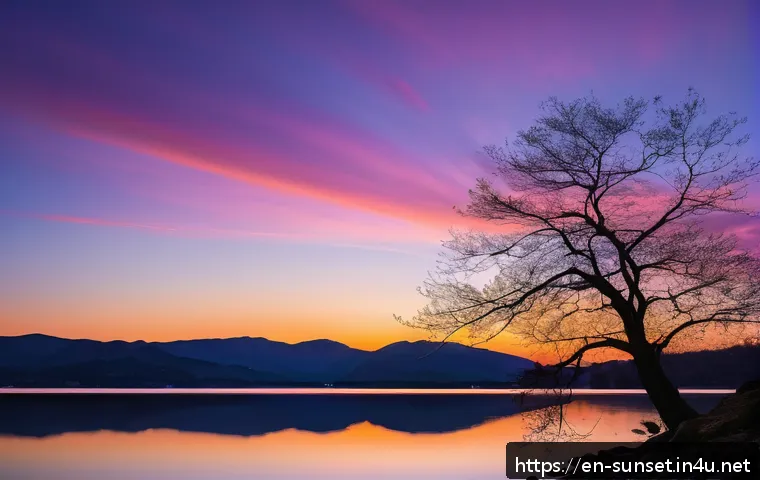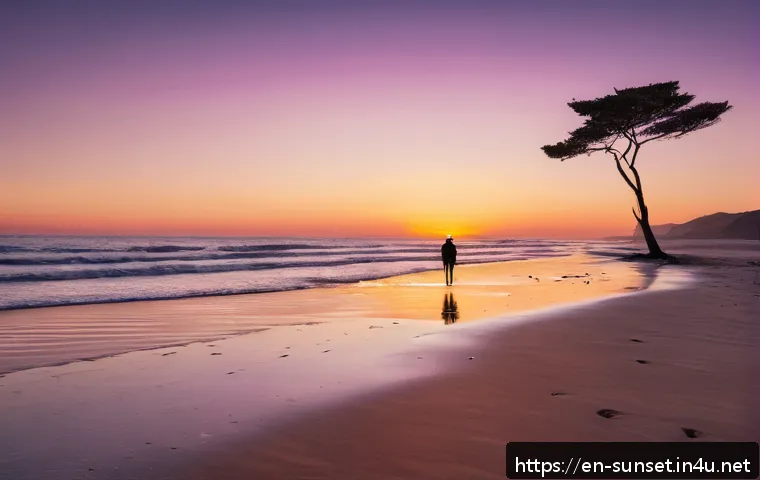
With the surge in outdoor adventures and the growing love for picturesque escapes, Sunset Point has become a must-visit spot for travelers and locals alike.
But have you ever wondered how to truly elevate your experience beyond the typical snapshot? From secret vantage points to timing tips that avoid the crowds, there’s more to Sunset Point than meets the eye.
Whether you’re chasing that perfect golden hour glow or simply craving a moment of tranquility, these insider secrets will transform your visit into something unforgettable.
Stick around, because what you’re about to discover might just change how you see sunsets forever.
Discovering Hidden Corners for the Ultimate Sunset View
Exploring Lesser-Known Trails
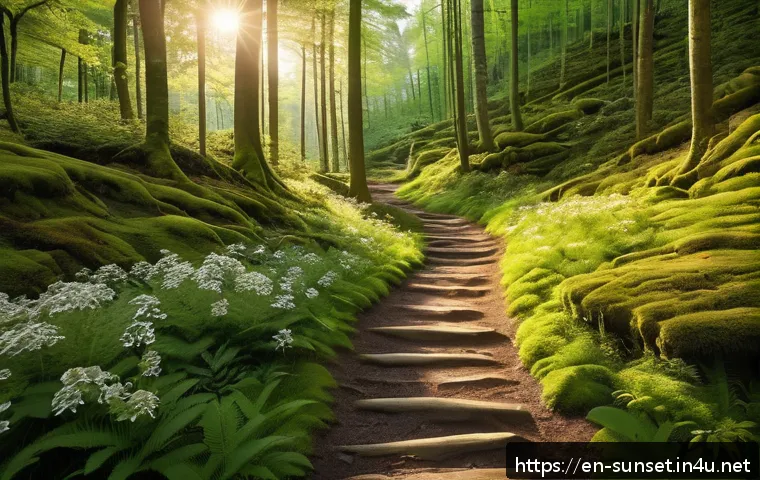
Venturing off the beaten path can reward you with some of the most breathtaking sunset views at Sunset Point. While the main overlook attracts crowds, a short hike along the east ridge leads to secluded spots where you can enjoy the sunset in peaceful solitude.
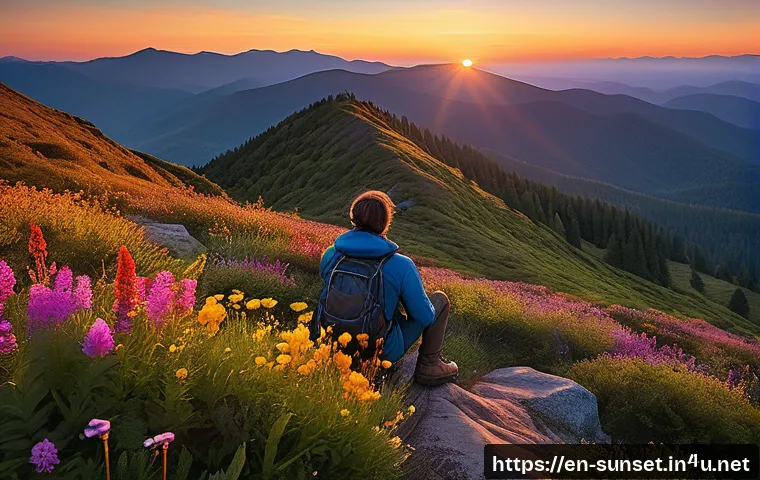
I remember stumbling upon a small clearing surrounded by wildflowers, where the horizon opened up like a painting just for me. These hidden trails often require sturdy shoes and a bit of adventurous spirit, but the payoff is well worth it.
Don’t forget to bring a flashlight if you plan to stay after dusk—it adds to the thrill of the experience.
Secret Vantage Points Above the Crowds
If you want to snap that perfect photo without a sea of heads in the frame, try climbing a few steps beyond the designated viewing deck. There are natural rock formations and smaller ledges that offer unobstructed views, especially if you arrive early to scout them out.
A tip from my last visit: the northwest corner of the ridge provides a stunning panorama that captures the sun dipping behind distant hills, with the valley glowing in warm hues beneath.
These spots aren’t marked on the usual maps, so a bit of exploration can turn your sunset into a personal masterpiece.
Timing Your Visit for Tranquility
Timing is everything when it comes to avoiding the crowds at Sunset Point. Most visitors arrive around 30 minutes before sunset, creating a packed scene.
Instead, try arriving an hour earlier to claim your favorite spot and enjoy the changing light as the sun slowly descends. Alternatively, staying a bit later after the sun has set lets you experience the magical twilight colors in relative quiet.
I’ve found that weekdays, especially midweek afternoons, are far less crowded, giving you a more intimate connection with the landscape.
Mastering the Golden Hour for Photographers
Understanding the Light Dynamics
Golden hour is the magic window when sunlight softens and bathes everything in a warm, flattering glow. At Sunset Point, this period typically starts about an hour before the sun dips below the horizon.
I’ve noticed that the quality of light changes rapidly—one moment it’s a gentle amber, and within minutes it can explode into fiery reds and purples. Knowing how to read these subtle shifts can elevate your photography from good to stunning.
Using a polarizing filter or adjusting your camera’s white balance helps capture these vibrant colors authentically.
Composing Shots That Tell a Story
It’s tempting to focus solely on the sun itself, but incorporating foreground elements like silhouetted trees, rocks, or even fellow visitors can add depth and emotion to your photos.
On a recent trip, I framed the setting sun behind a twisted pine branch, creating a natural frame that drew viewers’ eyes into the scene. Experiment with different angles and perspectives—sometimes shooting low to the ground or from a higher vantage point can reveal unexpected beauty.
Don’t rush; the golden hour is fleeting, so patience and creativity go hand in hand.
Using Natural Filters and Reflections
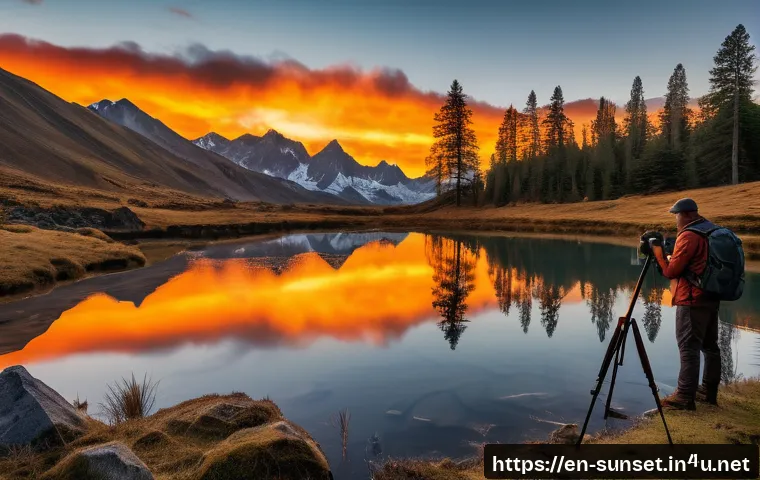
Water bodies near Sunset Point, such as small ponds or wet rock surfaces, can act as natural mirrors, doubling the impact of the sunset colors. I’ve personally spent several minutes trying to align the reflection perfectly with the sky, resulting in shots that look almost surreal.
Clouds also serve as dynamic filters, diffusing or intensifying the sunlight. Keeping an eye on weather patterns and cloud formations can help you anticipate these effects and capture truly unique images.
Essential Gear for a Comfortable and Safe Visit
Clothing and Footwear Recommendations
Sunset Point’s terrain can be uneven and sometimes slippery, especially after rain. Wearing comfortable hiking boots with good grip is a must. I’ve learned the hard way that flip-flops just don’t cut it here.
Layered clothing is also key because temperatures can drop quickly once the sun sets. A lightweight jacket or fleece will keep you cozy without weighing you down.
Don’t forget a hat and sunglasses for earlier in the day to protect yourself from sun glare.
Must-Have Accessories for a Memorable Experience
Bringing a headlamp or flashlight is essential if you plan to stay after dark or explore hidden trails. I always carry a small backpack with water, snacks, and a portable phone charger—trust me, you’ll want to keep your devices powered for capturing every moment and navigating back safely.
A foldable stool or blanket can make your wait more comfortable, especially if you’re settling in for a longer viewing session. Lastly, a compact tripod is a great investment for sharp, stable shots during low-light conditions.
Safety Tips and Environmental Considerations
While Sunset Point is generally safe, it’s important to stay aware of your surroundings. Avoid venturing too close to cliff edges or unstable rock formations.
Always follow posted signs and respect natural barriers. I’ve seen visitors unintentionally damaging vegetation by straying off trails, so sticking to designated paths helps preserve the area’s beauty for others.
Carry out all trash and consider bringing a small bag to pick up litter you might encounter—small actions like these keep Sunset Point pristine.
Planning Your Visit Around Weather and Seasonal Changes
Best Seasons for Vibrant Sunsets
While sunsets at Sunset Point are beautiful year-round, certain seasons offer particularly spectacular displays. Late summer and early fall often bring clearer skies and more vivid colors, thanks to lower humidity and atmospheric conditions.
Winter sunsets can be dramatic, with crisp air and occasional snow adding contrast and texture to the landscape. Springtime introduces lush greenery that complements the warm tones of the setting sun.
I always check local weather forecasts to pick the clearest evenings for my trips.
How Weather Affects Visibility and Mood
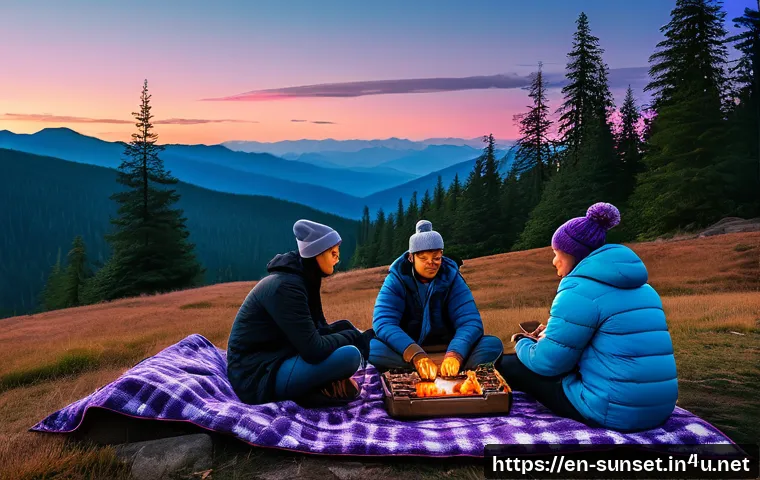
Cloud cover can make or break a sunset. Thin, scattered clouds often create the most dynamic and colorful skies by reflecting and diffusing light. On the other hand, heavy overcast or stormy conditions may obscure the sun completely, but sometimes they bring dramatic lightning or misty moods that are equally captivating.
Wind can cool the air rapidly, so dressing accordingly is important. From personal experience, I’ve learned to embrace whatever weather comes my way—each sunset is unique and offers a different kind of magic.
Utilizing Weather Apps and Tools
To maximize your chances of witnessing a stunning sunset, I recommend using specialized weather apps that track cloud cover and sun positioning. Apps like “Sun Surveyor” or “The Photographer’s Ephemeris” provide real-time data on sun angles and twilight phases, which helps in planning your arrival and finding the perfect spot.
Pairing this information with local radar for precipitation and wind can save you from disappointment. I’ve found that investing a little time in research beforehand makes all the difference in enjoying a flawless sunset experience.
Capturing Memories Beyond Photos
Journaling and Sketching at Sunset Point
Sometimes, the best way to hold onto a sunset moment is not through a lens but through words or art. I’ve taken to bringing a small journal and colored pencils on my visits, jotting down thoughts, feelings, or quick sketches of the view.
This practice slows down the experience and deepens my connection with the environment. It’s a rewarding way to preserve memories that photos might miss—the subtle scents, the cool breeze, the gradual fading of light.
Sharing the Experience with Loved Ones
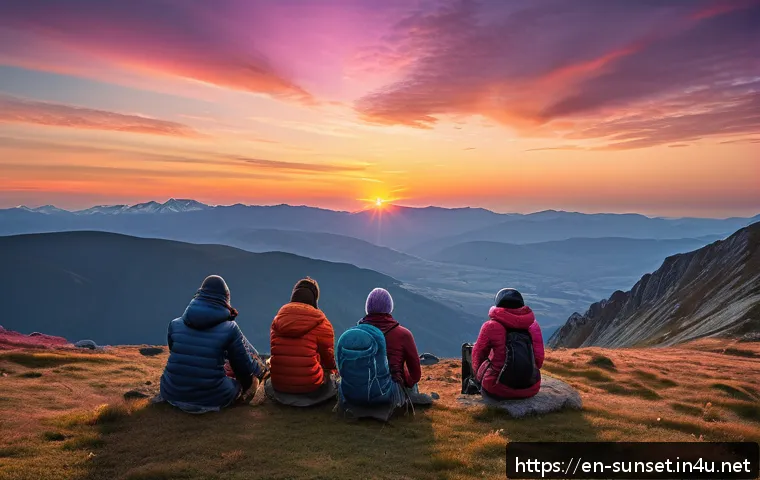
Sunset Point is perfect for intimate moments with friends or family. Organizing a small picnic or just sitting quietly together as the sun sets creates lasting bonds.
I’ve noticed that sharing these peaceful moments often sparks meaningful conversations and a shared appreciation for nature’s beauty. If you’re visiting solo, consider joining a local sunset gathering or photography meetup to connect with like-minded people.
These social experiences add a rich layer to your adventure.
Using Technology to Enhance, Not Distract
While smartphones and cameras are great for capturing the moment, it’s easy to get caught up in documenting rather than living the experience. I try to limit my screen time during sunsets, using devices mainly for essential photos or quick notes.
Turning off notifications and setting your phone to airplane mode helps maintain focus. Occasionally, I switch to audio recording to capture ambient sounds like birdsong or wind rustling, which brings back vivid memories later.
Balancing technology use keeps the experience authentic and fulfilling.
Essential Sunset Point Visit Summary
| Tip Category | Key Recommendations | Benefits |
|---|---|---|
| Timing | Arrive 1 hour before sunset or stay after dusk; prefer weekdays | Avoid crowds, enjoy peaceful ambiance |
| Location | Explore hidden trails, northwest ridge, natural ledges | Secluded views, unique photo angles |
| Gear | Hiking boots, layered clothing, flashlight, tripod | Comfort, safety, enhanced photography |
| Weather | Check cloud cover, seasonal best times, use apps | Optimal visibility, dramatic skies |
| Experience | Journaling, sharing moments, mindful tech use | Deeper connection, lasting memories |
Making the Most of Sunset Point’s Natural Beauty
Engaging All Your Senses
The magic of a sunset isn’t just visual—it’s a full sensory experience. I’ve found that tuning into the sounds of nature, like rustling leaves or distant bird calls, enriches the moment.
The cool evening air and the scent of pine or wildflowers add layers of memory that photos can’t capture. Taking a moment to breathe deeply and absorb these sensations makes the experience more immersive and restorative.
Respecting the Environment for Future Visitors
As someone who loves Sunset Point deeply, I always remind myself and others to tread lightly. Packing out all trash, staying on marked paths, and avoiding disturbing wildlife ensures this beautiful spot remains pristine.
Small gestures, like using reusable water bottles and picking up litter, create a ripple effect of care. Knowing that I’ve contributed to preserving the area makes my visit feel even more meaningful.
Planning Return Visits to Witness Changing Scenes
Sunset Point offers a fresh experience every time you visit. Different seasons, weather, and times of day reveal new facets of its beauty. I make it a point to return regularly, each visit bringing unexpected moments—a misty morning glow, a vibrant autumn canopy, or a rare cloud formation.
Keeping a flexible mindset allows you to appreciate the dynamic nature of this landscape and continually rediscover its charm.
Closing Thoughts
Sunset Point offers an unforgettable experience for those willing to explore beyond the usual spots. By embracing the natural beauty, timing your visit wisely, and preparing with the right gear, you can create lasting memories. Whether you’re capturing photos, sharing moments with loved ones, or simply soaking in the tranquility, every visit holds something special. Remember, the magic of a sunset is as much about the journey as it is the view.
Useful Tips to Keep in Mind
1. Arrive early or stay late to enjoy sunset moments without the crowds and capture the changing light.
2. Explore lesser-known trails and hidden vantage points for unique perspectives and peaceful settings.
3. Dress in layers and wear sturdy footwear to stay comfortable and safe on uneven terrain.
4. Use weather apps to plan your visit around cloud cover and sun positioning for the best visibility.
5. Balance technology use by capturing key moments but also fully immersing yourself in the experience.
Key Takeaways for a Successful Visit
Plan your timing carefully to avoid peak crowds and maximize tranquility. Equip yourself with appropriate clothing and gear to navigate the terrain safely and enhance your photography. Respect the environment by staying on marked paths and carrying out all trash. Use technology thoughtfully to complement your experience, not distract from it. Finally, stay open to the unique beauty each visit brings, making every sunset a personal and memorable event.
Frequently Asked Questions (FAQ) 📖
Q: When is the best time to visit Sunset Point to avoid crowds and capture the perfect golden hour?
A: Based on my experience, the ideal time to visit Sunset Point is about 30 to 45 minutes before sunset on weekdays, especially during the shoulder seasons like early spring or late fall.
Arriving early not only helps you secure a great spot but also allows you to enjoy the changing light as the sun dips. Weekends tend to be busier, so if you prefer a quieter atmosphere, weekdays are your best bet.
Plus, the light during golden hour offers that warm, soft glow perfect for photography or simply soaking in the view.
Q: Are there any secret vantage points at Sunset Point that most visitors miss?
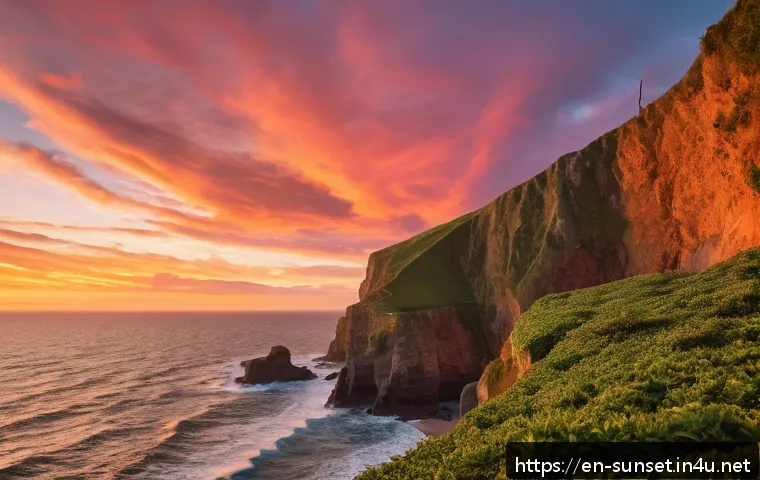
A: Absolutely! While the main overlook is stunning, I discovered a less crowded trail that leads to a small cliffside spot just a short walk away. From there, you get an unobstructed panoramic view with fewer people around.
It’s a bit of a hidden gem and perfect for those who want a more intimate sunset experience. Just remember to wear sturdy shoes and bring a flashlight if you plan to stay after dark.
Q: What should I bring to make my Sunset Point visit more enjoyable and comfortable?
A: From my outings, I recommend packing a lightweight blanket or portable chair for comfort, especially if you plan to settle in for a while. Snacks and water are a must since nearby facilities can be limited.
A camera or smartphone with a good camera is essential if you want to capture the moment, but don’t forget to take some time to just enjoy the view without distractions.
Lastly, layering your clothing is smart because it can get chilly quickly after sunset.