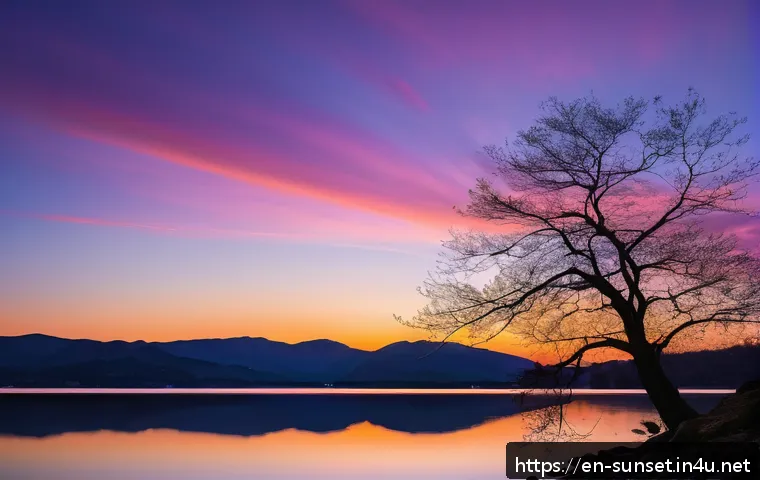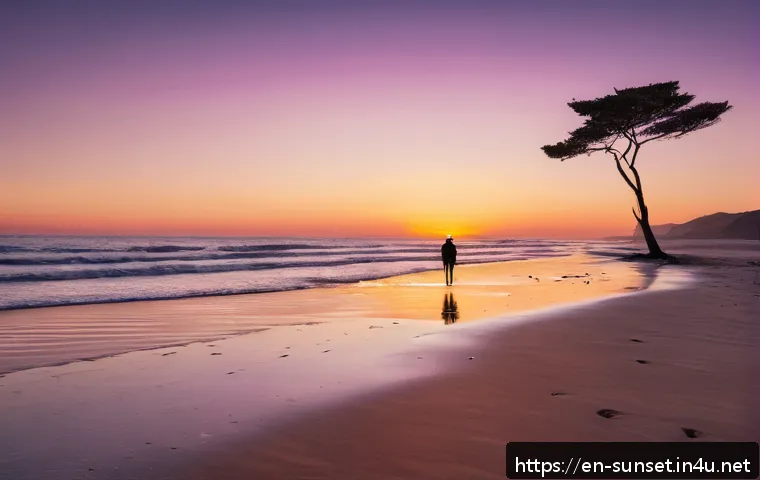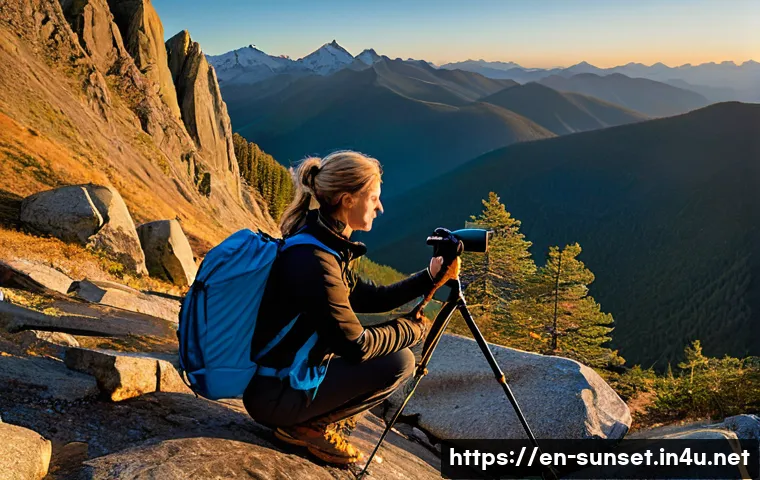
Hey fellow adventurers! There’s something truly magical about chasing that perfect sunset view from a stunning vantage point, isn’t there? I’ve personally trekked to countless spots, from rugged mountain peaks to tranquil coastal cliffs, all to capture those breathtaking moments when the sky explodes with color.
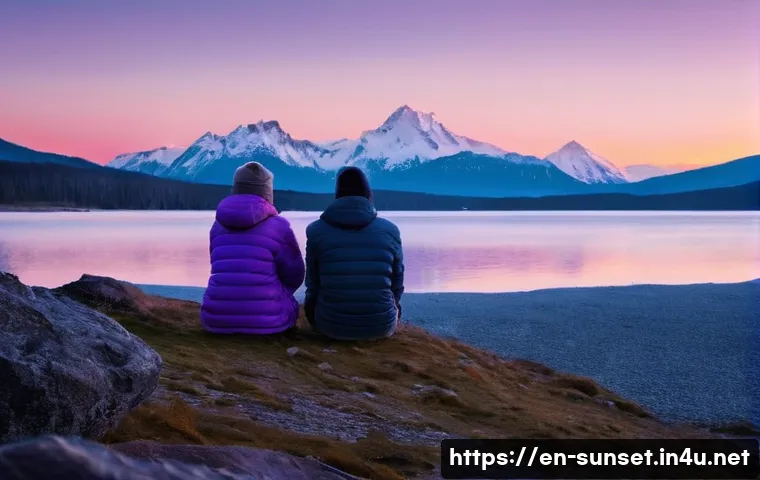
Trust me, getting it right – securing those unforgettable photos and making sure you’re safe – takes a bit of insider knowledge. If you’re dreaming of experiencing that golden hour grandeur for yourself, you’re in the right place.
We’ll dive into all the essential tips for your very own incredible sunset point trekking adventure!
Choosing Your Horizon: Scout Out the Perfect Spot
Researching Your Dream Destination
Oh, the thrill of finding that *perfect* vantage point! It’s like being a detective, piecing together clues to uncover a hidden gem. When I’m planning a sunset trek, my first step is always deep-diving into research.
I’m not just looking for a pretty picture; I want to know about the trail difficulty, accessibility, typical crowds, and any local regulations. Sometimes, a quick search on photography forums or travel blogs for a specific region can unearth incredibly useful tips from people who’ve actually been there.
They often share which trails offer the best western-facing views, crucial for that unobstructed sunset show. I also check out local weather patterns for the time of year I plan to go; there’s nothing worse than hiking all that way only to be met with thick cloud cover.
Trust me, I once chased a sunset in the Scottish Highlands, meticulously planning for weeks, only for an unexpected front to roll in. Lesson learned: always have a backup plan, or at least a good rain jacket and a sense of humor!
Reading recent reviews is key – trail conditions change, and what was a clear path last year might be overgrown or washed out now.
Timing is Everything: Chasing the Light
You know, it’s not just about getting there *before* the sun dips below the horizon. The magic truly begins much earlier! I always aim to arrive at my chosen spot at least an hour, sometimes even ninety minutes, before the official sunset time.
This gives me ample time to set up my gear, explore different compositions, and simply soak in the evolving beauty of the landscape as the light softens and changes.
Those golden hour hues leading up to the main event are often just as, if not more, stunning than the actual sunset itself. Plus, it allows for a more relaxed experience; no frantic scrambling up a steep incline trying to beat the clock!
I’ve learned the hard way that rushing only leads to missed moments and blurry photos. Once, I miscalculated the hiking time to a popular overlook in Zion National Park and ended up practically running the last mile.
While I caught the last few rays, the frantic energy definitely took away from the serenity of the experience. Give yourself that buffer, truly. It makes all the difference in appreciating the journey as much as the destination.
Gearing Up for Golden Hour Glory
Essential Kit for a Flawless Sunset Experience
Alright, let’s talk gear! This is where preparedness truly meets pleasure. Beyond the obvious water and snacks, there are a few non-negotiables I always pack for a sunset trek.
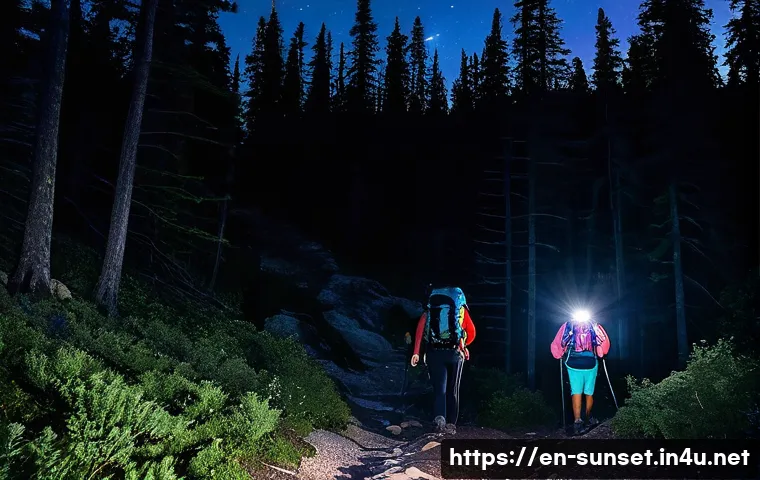
First off, a reliable headlamp or flashlight is absolutely crucial. As beautiful as the sunset is, the trail back can become surprisingly tricky in the dark, and stumbling around is no fun.
I prefer a headlamp because it keeps my hands free, which is super handy if I’m packing up camera gear or steadying myself on uneven terrain. A fully charged power bank for my phone is another must-have, not just for photos but for navigation and emergencies.
Layers are also your best friend. Even if it’s warm during the day, temperatures can drop dramatically once the sun goes down, especially at higher elevations.
I always bring a light jacket or fleece, even in summer. And let’s not forget about a small first-aid kit; blisters, minor cuts, or even a sudden headache can really put a damper on things if you’re not prepared.
I’ve had to use mine more times than I’d like to admit, from providing a bandage for a friend’s scraped knee to sharing pain relievers.
Dressing for Success: Comfort and Safety
You know, I’ve seen people trek in flip-flops to supposedly easy sunset spots, and it always makes me cringe! Proper footwear is non-negotiable. Sturdy hiking shoes or boots with good ankle support are an absolute game-changer, especially on uneven or slippery paths.
You don’t want a twisted ankle ruining your evening or, worse, your trip. Beyond footwear, dressing in layers is paramount. I’ve often started a hike in a t-shirt, only to be grateful for a warm fleece and windproof shell as the evening chill sets in.
Materials matter too; opt for moisture-wicking fabrics that pull sweat away from your body, keeping you dry and comfortable. Cotton is a big no-no for hiking, as it stays wet and can make you cold.
I learned this lesson backpacking in Patagonia; one damp cotton shirt was enough to make me miserable for an entire evening. Oh, and sun protection! Even though you’re chasing the sunset, the sun can be intense on the hike *to* the spot.
A hat, sunglasses, and sunscreen are always in my pack. Looking good for a photo is one thing, but feeling good and staying safe is infinitely more important.
| Category | Essential Items for Sunset Treks | Why It Matters |
|---|---|---|
| Navigation & Safety | Headlamp/Flashlight (with spare batteries), Charged Phone & Power Bank, Offline Map (digital/physical), Whistle | Crucial for navigating after dark, emergencies, and staying found. |
| Comfort & Clothing | Layered Clothing (moisture-wicking base, insulating mid, waterproof/windproof outer), Sturdy Hiking Footwear, Hat, Gloves (if cold) | Manages body temperature, protects against elements, prevents blisters/injuries. |
| Food & Hydration | Plenty of Water, Energy-rich Snacks (nuts, granola bars, fruit) | Maintains energy levels and prevents dehydration, especially on longer hikes. |
| First Aid & Personal | Small First-Aid Kit (bandages, antiseptic wipes, pain relievers), Sunscreen, Insect Repellent, Hand Sanitizer | Addresses minor injuries, protects from sun/bugs, maintains hygiene. |
| Photography (Optional) | Tripod, Camera, Spare Batteries, Lens Cloth, Remote Shutter | Ensures stable, sharp, and creatively composed sunset photos. |
Capturing the Magic: Photography Tips
Settings for Stunning Shots
Okay, fellow shutterbugs, this is where we turn those fleeting moments into lasting memories! Getting those truly stunning sunset shots isn’t just about pointing and clicking.
It’s about understanding your camera and the unique challenges of low light. I always switch to manual mode; it gives me complete control. My go-to settings usually involve a low ISO (to minimize noise, especially in the shadows), a narrow aperture (like f/8 or f/11) to ensure everything from the foreground to the distant horizon is in sharp focus, and a shutter speed that balances exposure.
Often, I’ll start with a slightly faster shutter speed to capture the initial vibrant colors, and then slow it down as the light fades to create those silky smooth effects on water or moving clouds.
A tripod is absolutely non-negotiable here. Handholding in low light leads to blurry images, and after all that effort to get to the perfect spot, you definitely don’t want that!
I also love experimenting with bracketing exposures – taking several shots at different exposures and combining them later – to perfectly capture the dynamic range from the bright sky to the darker foreground.
Composition and Creativity
Beyond the technical settings, composition is what truly makes a sunset photo *yours*. It’s not just about the blazing sky; it’s about how the landscape frames that spectacular light show.
I always look for interesting foreground elements – a lone tree, a jagged rock formation, or even a winding trail – to add depth and lead the viewer’s eye into the scene.
The rule of thirds is a great starting point, but sometimes breaking it can create a more dramatic effect. Think about reflections too; a calm body of water can double the impact of your sunset.
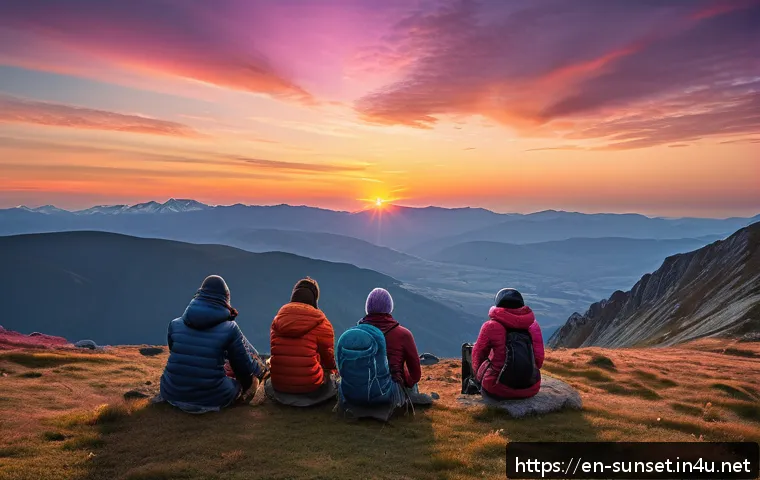
And don’t forget silhouettes! A perfectly positioned tree or person against the colorful sky can create a powerful and emotional image. I love playing with different angles; sometimes getting down low can make a foreground element feel more imposing, while a higher vantage point offers a grander sense of scale.
Once, while trekking near Lake Tahoe, I spent twenty minutes trying to get “the shot” of the sun dipping behind the mountains. It wasn’t until I noticed the perfect reflection in a small puddle by my feet that the true magic happened.
Don’t be afraid to experiment, move around, and see the scene from different perspectives!
Staying Safe Under the Fading Light
Navigating the Trails Safely
Safety, my friends, is absolutely paramount, especially when you’re venturing out to watch the sunset. While the golden hour is mesmerizing, the return journey in twilight or complete darkness can be deceptively challenging.
I always, always make sure I know the trail like the back of my hand, or at least have a reliable offline map downloaded on my phone (and a physical map as backup, because tech can fail!).
Sticking to marked trails is not just a suggestion; it’s a golden rule. Deviating can lead to getting lost, encountering unexpected hazards, or even damaging fragile ecosystems.
I remember one time, trying to find a “shortcut” down a hill after sunset, only to end up bushwhacking through thorny brush in the dark. Not my brightest moment, literally!
Informing someone of your plans – your route, your estimated return time – is also a smart move, even for seemingly easy treks. If something goes awry, someone knows where to look.
Always carry a fully charged phone for emergencies, but don’t rely solely on it; cell service can be nonexistent in many beautiful, remote sunset spots.
Unexpected Encounters and Preparedness
Beyond the trail itself, you’ve got to be prepared for what else might be out there. Depending on your location, this could mean anything from wildlife encounters to sudden weather shifts.
If you’re in an area known for wildlife, do your research beforehand. Know what animals might be active at dusk and dawn, and understand how to react if you encounter them.
Carrying a small whistle can be a simple but effective deterrent for some animals, or a way to signal for help. Weather is another big one; a clear, sunny day can turn into a chilly, windy, or even rainy evening surprisingly quickly.
I always check the forecast just before heading out, and pack accordingly with layers, even if the skies look perfectly blue. And please, please, listen to your body.
Don’t push yourself beyond your limits, especially when descending in low light. If you feel tired or unsteady, take a break. It’s far better to arrive home a little later than planned than to risk an injury.
Remember, the goal is to enjoy the beauty and return safely to tell the tale!
Embracing the Journey: Beyond the Destination
Mindfulness on the Mountain
You know, for all the talk about gear, photography settings, and finding the perfect spot, the true magic of a sunset trek lies in simply *being there*.
It’s so easy to get caught up in chasing the perfect photo or rushing to get back down that we forget to truly connect with the moment. I’ve started making a conscious effort to put my camera down for a few minutes and just breathe it all in.
Feel the cool air on my skin, listen to the subtle sounds of nature as the day transitions to night, and watch the colors unfold without the filter of a lens.
There’s something incredibly grounding about it. It’s a chance to quiet the mental chatter, reflect on the day, and appreciate the immense beauty of our world.
I often find myself feeling a profound sense of gratitude during these quiet moments. It’s a reminder that these experiences aren’t just about the visual spectacle; they’re about the internal peace and rejuvenation they offer.
I remember sitting on a cliff overlooking the Pacific, and for about ten glorious minutes, I just watched, no camera, no phone, just me and the endless horizon.
That memory feels more vivid, more *real*, than any photograph I took that day.
The Afterglow: Reflecting on the Adventure
The sunset isn’t truly over when the sun dips below the horizon. Oh no, my friends, that’s just the beginning of the afterglow! Those post-sunset hues, often a delicate palette of purples, pinks, and soft blues, can be just as breathtaking, if not more so, than the main event.
It’s also a wonderful time for reflection. As I make my way back down the trail, often under a sky studded with the first stars, I find myself replaying the day’s adventure.
What did I learn? What unexpected beauty did I discover? How did the trek challenge me, and what did it reveal about myself?
These are the moments when the memories solidify, when the experience truly integrates into your personal story. It’s not just about the destination or the iconic shot; it’s about the entire journey, the effort, the anticipation, the wonder, and the quiet contemplation that follows.
I truly believe that these reflections are what transform a simple trek into a profound and enriching experience that stays with you long after the colors have faded from the sky.
It’s the perfect ending to a day well spent in nature’s embrace.
Turning Treks into Timeless Tales
Sharing Your Sunset Stories
After experiencing such incredible beauty, it’s only natural to want to share it with the world, isn’t it? But beyond just posting a photo, I’ve found that weaving a story around my sunset treks truly brings them to life for others.
It’s about recounting the little struggles, the unexpected joys, and the personal feelings that made the experience unique. Instead of just saying “beautiful sunset,” try describing the crisp evening air, the scent of pine needles underfoot, or the specific way the light played on a distant peak.
Share your insights – maybe a tip about parking, a less-known viewpoint, or a funny anecdote about a trail mishap (like my short-lived “shortcut” adventure!).
Engaging with others about your experiences not only inspires them but also helps you relive those moments. I love reading comments and hearing about *their* favorite sunset spots or trekking stories.
It creates a wonderful community of adventurers, all connected by a shared love for nature’s grand finale. Don’t be afraid to let your personality shine through in your narratives; it makes your stories far more relatable and impactful than any perfectly filtered image alone.
Planning Your Next Horizon Chase
The best part about chasing sunsets? There’s always another one! As soon as I’ve returned from one glorious trek, my mind immediately starts wandering to where the next golden hour adventure might take me.
It’s a never-ending cycle of discovery and wonder. I keep a running list of potential sunset spots, both local and far-flung, adding to it whenever I hear a recommendation or stumble upon a breathtaking image online.
Sometimes it’s a remote mountain peak I’ve been dreaming of, other times it’s a quiet coastal path right in my own backyard that I’ve never fully appreciated at dusk.
The planning itself becomes part of the fun – researching trails, checking weather forecasts, and imagining the possibilities. This continuous cycle of planning, experiencing, reflecting, and sharing is what keeps the passion alive.
So, if you’ve just witnessed a spectacular sunset, let that feeling fuel your next quest. There’s an entire world of incredible vistas waiting for you, each with its own unique light show, ready to create unforgettable memories.
Happy trekking, and may your sunsets always be epic!
Closing Thoughts
And there you have it, my friends! Chasing sunsets isn’t just about snapping a pretty picture or reaching a peak; it’s a truly holistic experience that invigorates the soul and reminds us of the sheer grandeur of our world. From the careful planning of finding that perfect spot to the thoughtful packing of your gear, every step contributes to an unforgettable adventure. But beyond the logistics, it’s those quiet moments of reflection, watching the sky ignite with color, that truly resonate. It’s about disconnecting from the everyday hustle and reconnecting with nature’s timeless rhythm. So, pack your bags, lace up your boots, and get ready to witness a spectacle that never disappoints – the magic of a sunset, waiting just for you.
Useful Information to Know
1. Prioritize Safety and Be Prepared: Seriously, my number one rule. Before you even think about heading out, always check the weather forecast for your specific location and time of day, as temperatures can drop surprisingly fast after the sun dips below the horizon. Tell someone reliable exactly where you’re going and when you expect to be back. And please, *please*, don’t skimp on essentials: a fully charged headlamp (with extra batteries!), layers of clothing even if it was warm all day, plenty of water, and some high-energy snacks are non-negotiable. I’ve learned the hard way that a little preparedness goes a very long way in making sure your adventure stays magical and safe.
2. Master Your Camera Settings for Dynamic Shots: If you’re serious about capturing those breathtaking colors, don’t rely on auto mode. I always shoot in manual to control my aperture (f/8 to f/16 is a sweet spot for getting everything in focus), keep my ISO low to avoid grainy images, and adjust my shutter speed to get the right exposure as the light changes. A tripod is absolutely essential for sharp photos, especially as it gets darker and you need longer exposures. Don’t be afraid to experiment with bracketing exposures; it gives you more flexibility later in editing to capture the full dynamic range of the scene. Sometimes, those slightly underexposed shots actually preserve more of the vibrant colors in the sky!
3. Embrace the Golden and Blue Hours: The show isn’t just when the sun touches the horizon. The real magic often starts an hour or more *before* sunset (the “golden hour”) and continues for 30-45 minutes *after* it (the “blue hour”). The golden hour bathes everything in a soft, warm light that’s incredible for photography, creating dramatic shadows and rich tones. Then, as the sun vanishes, the blue hour brings out deep, serene blues and purples in the sky, offering a completely different but equally stunning palette. Trust me, arriving early to scout your spot and staying a bit later to soak in the afterglow is worth every single minute.
4. Focus on Creative Composition: A great sunset photo is more than just a colorful sky; it’s about how you frame that beauty. Look for strong foreground elements – a gnarled tree, a unique rock formation, or even a winding path – to add depth and lead the viewer’s eye into your scene. Experiment with the rule of thirds, placing your horizon on either the upper or lower third of the frame, not directly in the middle. Silhouettes of people or distinct objects against the bright sky can create powerful, emotional images. And if there’s water nearby, absolutely use those reflections to double the impact of the vibrant colors. Different angles and perspectives can transform a good shot into a truly memorable one.
5. Stay Aware but Also Present: While it’s crucial to have your phone fully charged for emergencies or navigation (with offline maps downloaded!), don’t let it distract you from the actual experience. Many incredible sunset spots might not have cell service, so be ready to rely on other navigation methods if needed. I often make a point to put my camera down for a few minutes and just soak it all in with my own eyes. Feel the crisp air, listen to the sounds of nature, and let the colors wash over you without the screen in between. Those unrecorded moments are often the most vivid and cherished memories I carry home with me.
Key Takeaways
Ultimately, the journey of chasing sunsets is a deeply rewarding one, blending the thrill of outdoor adventure with moments of serene beauty and personal reflection. Remember to always prioritize your safety by being thoroughly prepared with the right gear and informed about your route and conditions. Don’t just arrive for the main event; embrace the full spectrum of light from the golden hour before to the tranquil blue hour after, and don’t be afraid to get creative with your camera settings and compositions. Most importantly, allow yourself to be fully present, absorbing the magic of the moment beyond the lens. These experiences aren’t just about the breathtaking views; they’re about the memories made, the lessons learned, and the profound connection to nature that stays with you long after the last rays fade.
Frequently Asked Questions (FAQ) 📖
Q: What’s the secret to finding those picture-perfect sunset trekking spots, and what’s the best time to go?
A: Oh, this is a fantastic question because timing and location are everything for that truly magical sunset experience! First off, for the “best time,” it’s not just about the exact minute the sun dips below the horizon.
Trust me, you want to arrive at least an hour, sometimes even an hour and a half, before official sunset. This gives you ample time to trek safely, find your ideal vantage point without rushing, set up your camera if you’re into photography, and really soak in the changing light – that beautiful ‘golden hour’ glow is often as stunning as the sunset itself.
As for the season, it really depends on your local climate! I’ve found that clearer skies in late autumn or winter can offer incredibly crisp, vibrant colors, while summer evenings bring a different kind of warmth and hazy beauty.
Always check the weather forecast a few days out; sudden clouds can turn a promising sunset into a grey sky rather quickly. Now, for finding those hidden gems: my personal go-to is a combination of local hiking apps like AllTrails or Gaia GPS, cross-referencing with geotags on Instagram or Pinterest, and honestly, just asking locals!
There’s no substitute for insider knowledge. Look for trails labeled with “views” or “panoramic” and then check recent photos or reviews to see if they specifically mention sunset.
I always try to do a little digital scouting on Google Maps Street View if available, just to get a lay of the land. And here’s a tip I learned the hard way: always scout the general area during daylight hours if possible, especially if it’s a new trail for you.
I remember one time, I showed up to what looked like a perfect spot online, only to find the “best view” was actually through a dense cluster of trees I couldn’t navigate in fading light!
A little recon goes a long way.
Q: What essential gear should I pack to make my sunset trekking adventure both enjoyable and safe, especially when hiking back in the dark?
A: Safety and comfort are absolutely paramount when you’re chasing those sunsets, especially because you’ll likely be hiking back in diminishing light or even complete darkness.
My number one, non-negotiable item is a reliable headlamp – and yes, I always pack extra batteries or a fully charged power bank. You do not want to be caught on a tricky trail with just your phone flashlight, trust me on that one!
Sturdy, comfortable hiking boots are another must-have; uneven terrain is even harder to navigate when you can’t see clearly. I’ve personally tripped more times than I care to admit simply because I was wearing less supportive shoes.
Layering your clothing is also critical. Even if it’s warm during the day, temperatures can plummet surprisingly fast once the sun goes down, especially at higher elevations.
I always bring a base layer, a fleece or insulated jacket, and often a light windbreaker or rain shell – better safe than sorry, right? Don’t forget plenty of water and some high-energy snacks; it’s easy to lose track of time when you’re mesmerized by the view.
And for safety, always let someone know your plans: where you’re going, your estimated return time, and who you’re with. A basic first-aid kit is also a smart addition, along with a fully charged phone (and that power bank I mentioned!).
Remember, reception can be spotty in remote areas, so don’t rely solely on your phone for navigation. It’s all about being prepared so you can truly relax and enjoy the incredible show nature puts on.
Q: I want to capture those breathtaking sunset photos! What are your best photography tips for getting truly stunning shots, even with just a smartphone?
A: This is my favorite part! Capturing the magic of a sunset is incredibly rewarding, and honestly, you don’t need fancy gear to get amazing results these days – even a smartphone can deliver stunning photos with a few tricks.
My absolute top tip, whether you have a phone or a professional camera, is to arrive early. Not just for scouting, but for the light! The ‘blue hour’ just before the golden hour and then the golden hour itself offer such diverse and beautiful light conditions.
You’ll get different moods and colors that way. For composition, don’t just point and shoot at the sun. I always look for a strong foreground element – a lone tree, a distinctive rock formation, or even a silhouette of a fellow hiker.
This adds depth and interest to your photo. Experiment with silhouettes! Position your subject against the bright sky, and underexpose slightly to make them a striking dark shape.
This really emphasizes the dramatic colors of the sky. If you’re using a phone, tap on the brightest part of the sky to expose for the highlights, then drag your finger down slightly to reduce the exposure and intensify the colors.
Many phones also have a “Pro” or “Manual” mode that lets you adjust ISO and shutter speed for even better control, especially as it gets darker. And here’s a secret that many people miss: don’t pack up your camera immediately after the sun dips below the horizon!
The afterglow can be incredibly vibrant, with soft, diffused light painting the clouds in oranges, pinks, and purples. Stay for an extra 15-20 minutes, and you might just capture your most unique and beautiful shots.
If you have a tripod, even a small portable one for your phone, use it! It will make a world of difference for sharp, clear photos in lower light conditions, especially if you’re trying to capture those rich, deep colors without graininess.
Play around, have fun, and don’t be afraid to take a hundred photos – that’s how you learn what works best!